NB
PROTECTIVE FILMS
NB
PROTECTIVE FILMS
May. 11, 2026
When it comes to selecting the right protective film, many individuals and businesses find themselves at a crossroads between transparent and black & white options. As the leading protective film manufacturer, we\'ve received numerous inquiries regarding the best choice for various applications. Pain points often include concerns about visibility, durability, and overall aesthetic appeal. In this article, we will address common questions while reconstructing the essential features of each type of film to ensure you make an informed decision for your specific scenario.
| Feature | Transparent Protective Film | Black & White Protective Film |
|---|---|---|
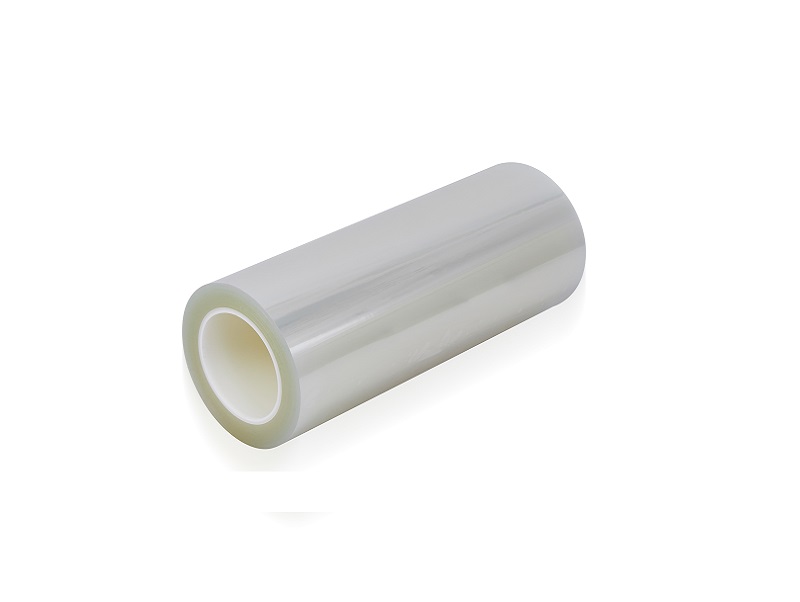
| Visibility | High visibility; allows for clear viewing of the underlying surface | No visibility; ideal for covering and protecting surfaces without revealing them |
| Durability | Withstands scratches up to 300 microns | Withstands scratches and impacts better, rated up to 500 microns |
| Adhesion | Medium adhesion strength; easy to apply and remove | High adhesion strength; designed for long-term application |
| Cost | Typically priced around $0.10 per square foot | $0.15 per square foot on average due to higher production costs |
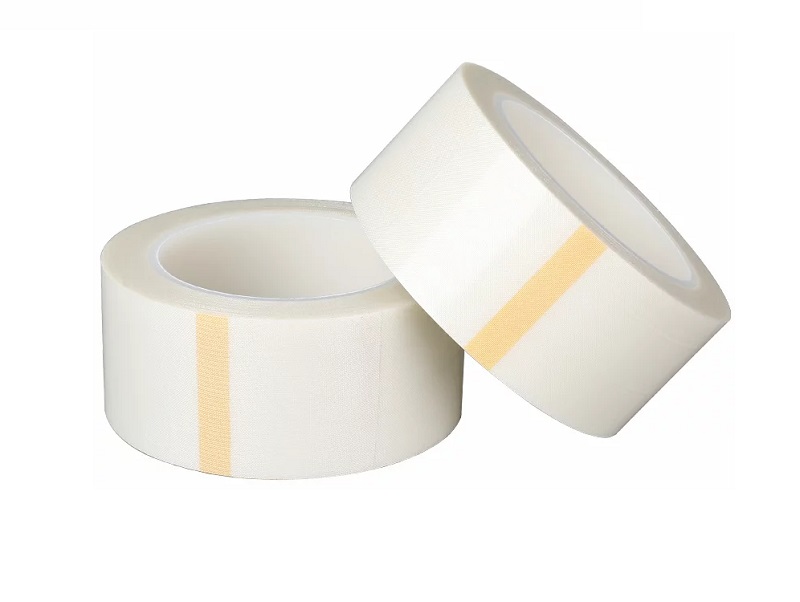
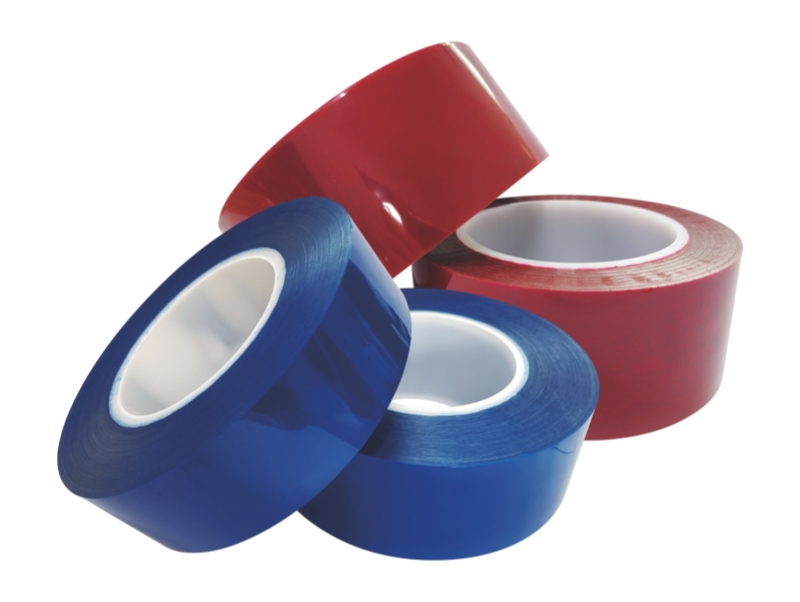
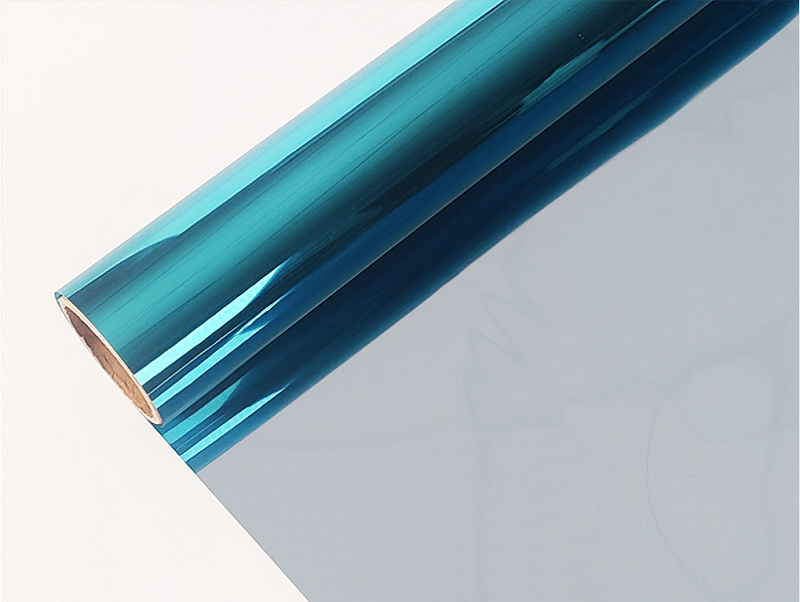
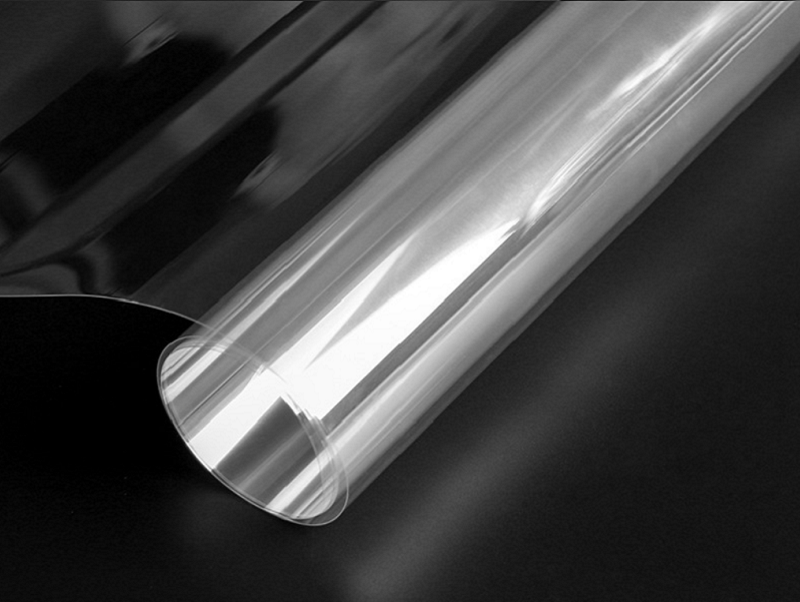
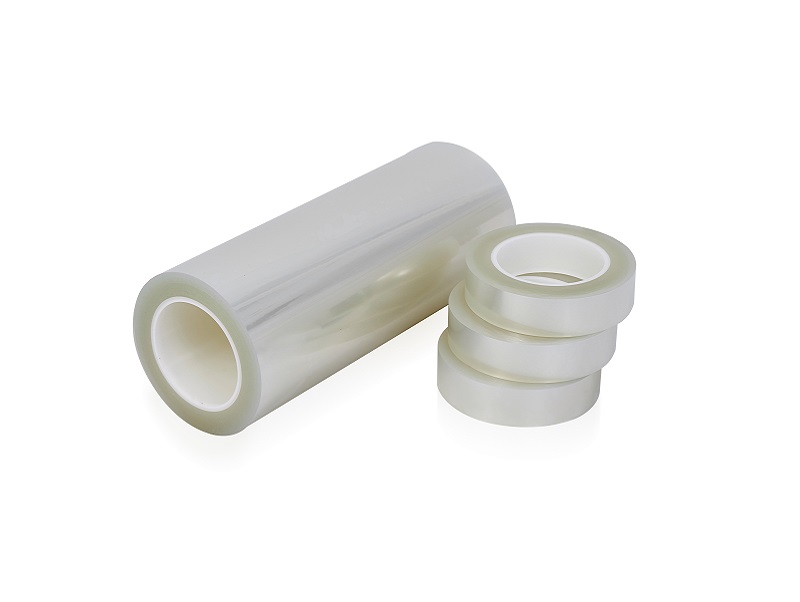
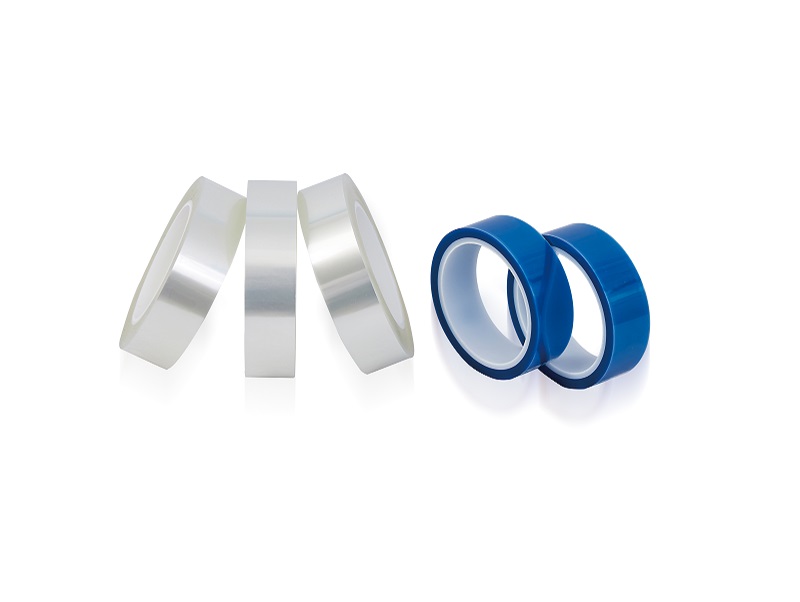
Choosing the appropriate protective film often hinges on the specific application. Transparent protective films are widely favored for use in residential or commercial interiors, especially on glass surfaces, as they maintain the aesthetic quality of the area while offering protection against scratches and dust. For example, one of our customers applied NB\'s transparent protective film on their showroom glass, which helped maintain a clean, polished look while ensuring customer visibility and safety.
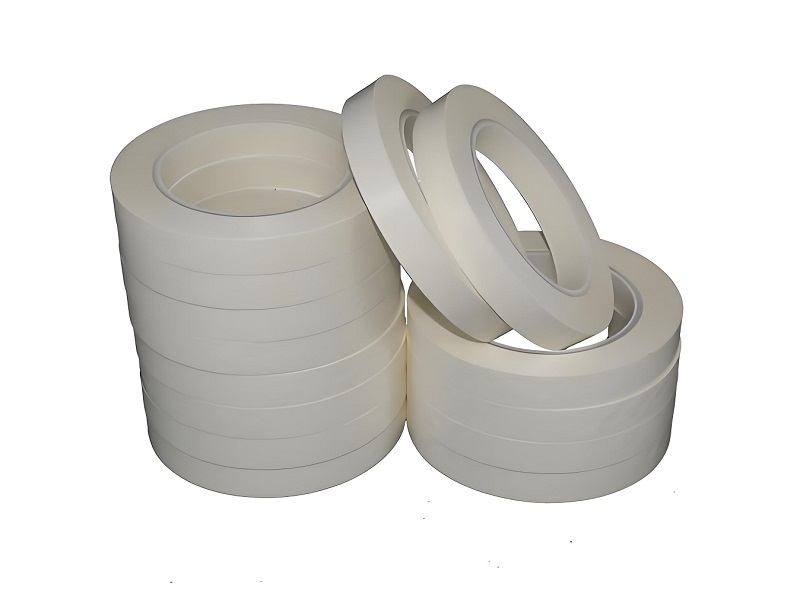
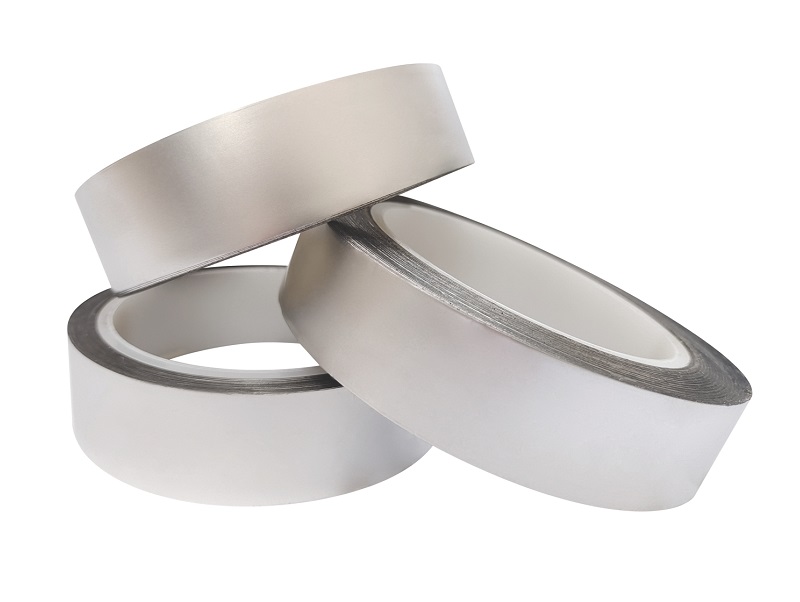
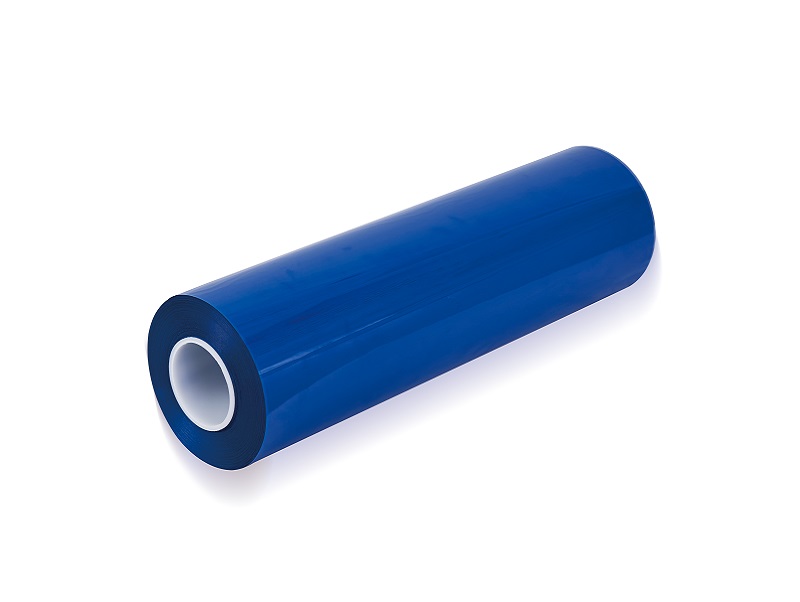
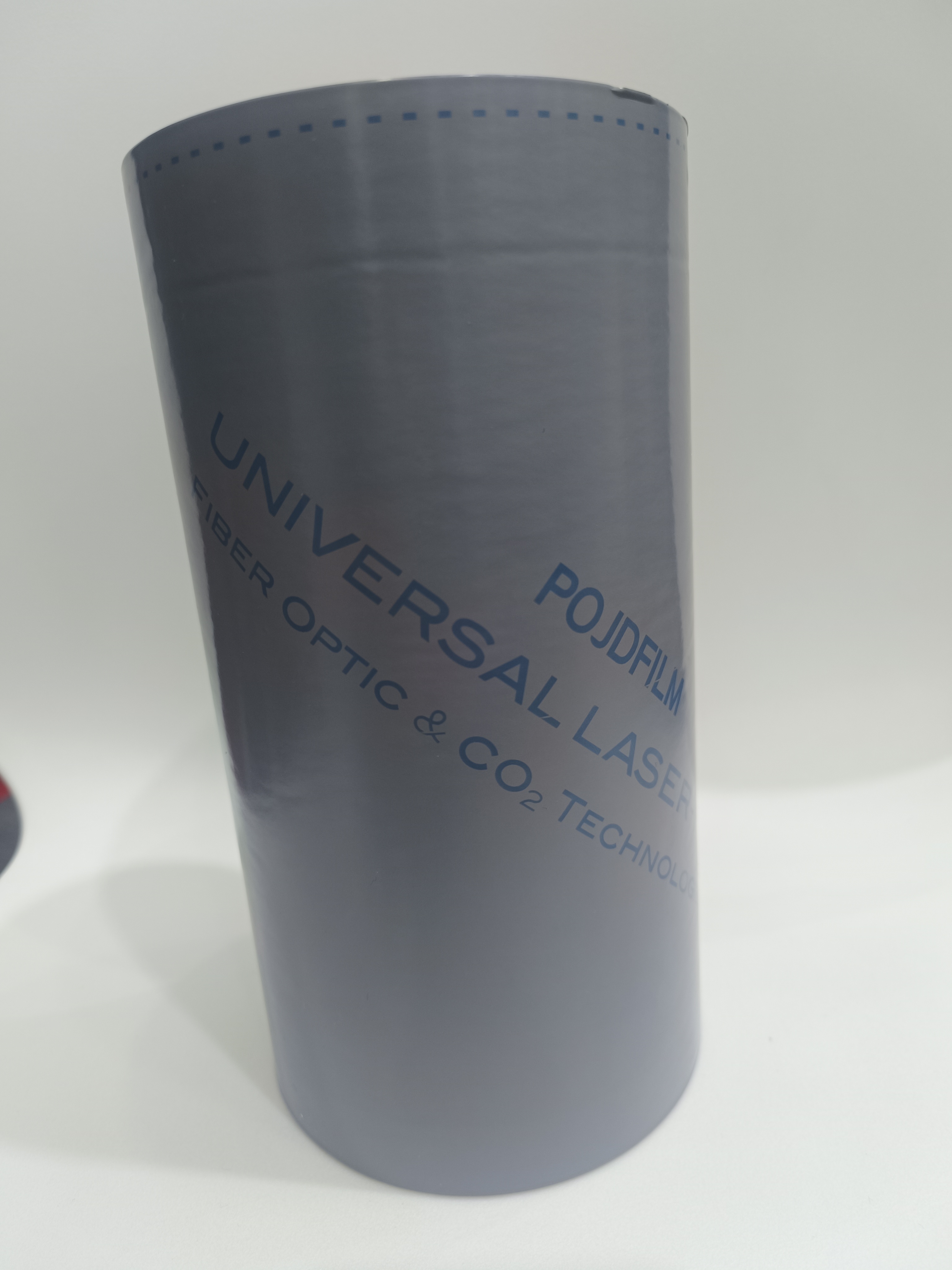
On the other hand, black & white films find their niche in more utilitarian settings, such as in shipping and construction environments. Users have reported using NB\'s black & white protective film on aluminum profiles during transit, resulting in a 50% reduction in surface damage. This was particularly beneficial to a company that reported a decrease in material losses due to scratches and dents by over 60% after switching to this more robust option.
Feedback from customers is invaluable when deciding between these two options. One regular user of transparent films praised their ease of application, noting “the film clings perfectly and does not bubble.” However, some users expressed concerns over its longevity under heavy usage conditions.
Conversely, users of black & white films frequently highlighted their superior durability and protection. A construction manager shared his experience stating, "Switching to NB’s black protective film reduced my surface repair costs by 40%, and it survived the entire project without peeling." These real experiences give insight into how each film type performs under various scenarios.
When it comes to making a selection, consider the following:
Transparent Protective Film is ideal for applications that require visibility, particularly in retail and display settings.
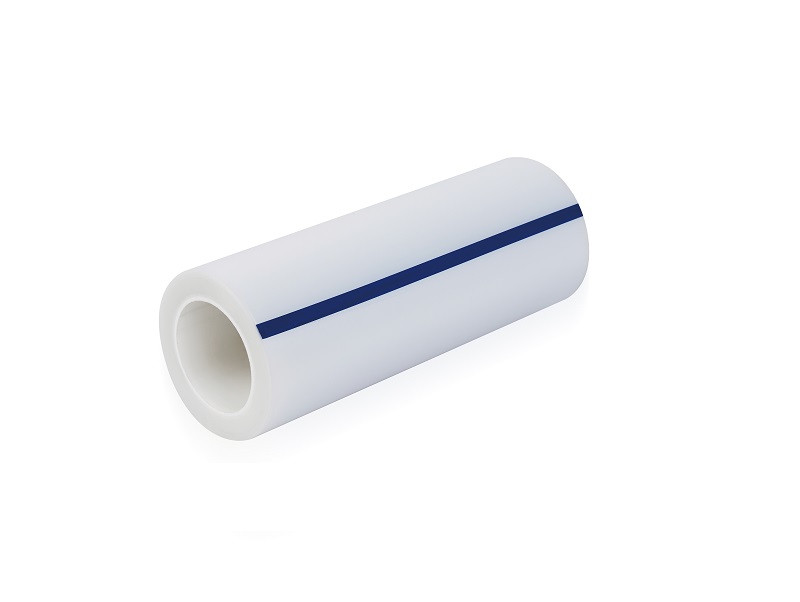
Black & White Protective Film is suited for industrial or shipping applications where durability and non-visibility are paramount.
Each option has its strengths and weaknesses. Our in-depth evaluation of films suggests providing your specific use case when consulting with your supplier, particularly NB, which consistently ranks as one of the most reliable manufacturers in the industry.
In summary, transparent protective films are best suited for environments prioritizing aesthetic appeal and visibility, like retail spaces. Black & white films cater to more rugged environments where protection against physical damage is crucial, such as warehouses and construction sites. Determine what factors matter most to your specific application before finalizing your selection.
Now that you understand the distinctions and have considered your application types, it\'s time to decide on the protective film that fits your needs. Contact a representative from NB today for a tailored consultation and to explore our range of protective films, ensuring you find the perfect solution.
What is the primary difference between transparent and black & white protective film?
Transparent films offer visibility and aesthetic appeal, whereas black & white films provide superior protection and durability.
How do I determine which film is right for my application?
Consider factors such as visibility, application environment, and how much wear and tear the film will need to withstand.
Are transparent films easier to apply than black & white films?
Typically, transparent films have medium adhesion strength, making them easier to apply and remove compared to the high adhesion strength of black & white films.
Previous: How to Choose PET High Temperature Protective Films for Industrial Use
Next: What Thickness of Protective Film Is Best for Aluminum Extrusion Protection?
Navigation
+86 158 1691 5404
+86 757 8271 3937
+86 757 8271 3937
No. 10 Industry Huacongsiyue Village, Shishan Town, Nanhai District, Foshan, Guangdong Province, China