NB
PROTECTIVE FILMS
NB
PROTECTIVE FILMS
Overview
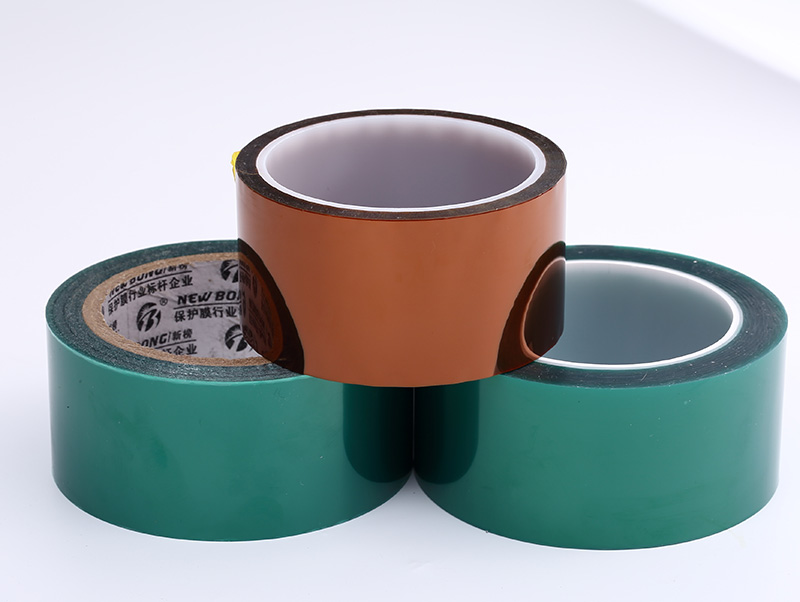
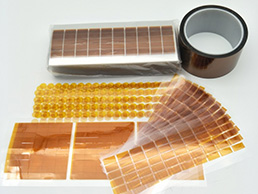
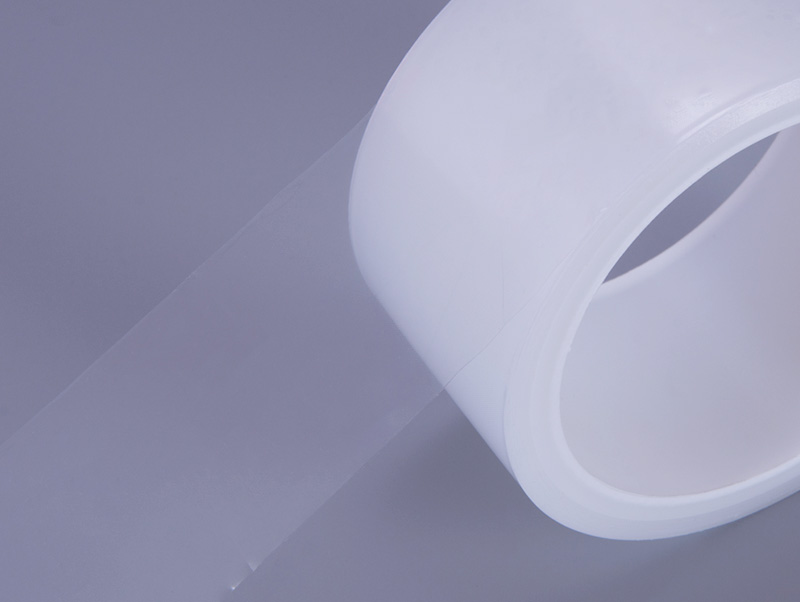
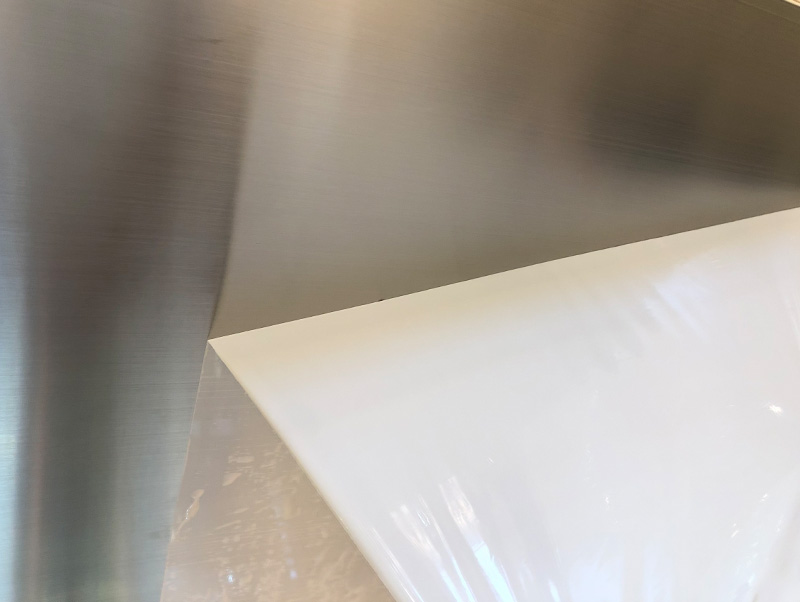
PET high temperature protective film — also known as heat resistant PET film or heat stabilized film — is a specialty surface protection material engineered for industrial processes that involve sustained elevated temperatures. It is manufactured from Polyethylene Terephthalate (PET) as the base substrate, combined with a specially formulated silicone adhesive layer that maintains stable bonding performance across a wide temperature range.
Unlike standard PE or PVC protective films, which degrade, delaminate, or leave adhesive residue when exposed to heat, heat resistant PET film retains its mechanical and adhesive properties at temperatures from 90°C up to 230°C — making it the industry standard for high-temperature masking and surface protection applications.
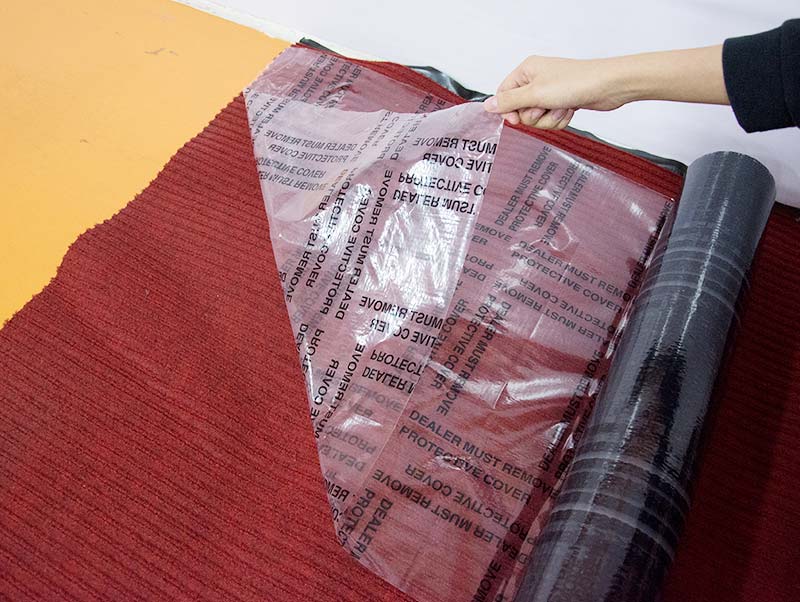
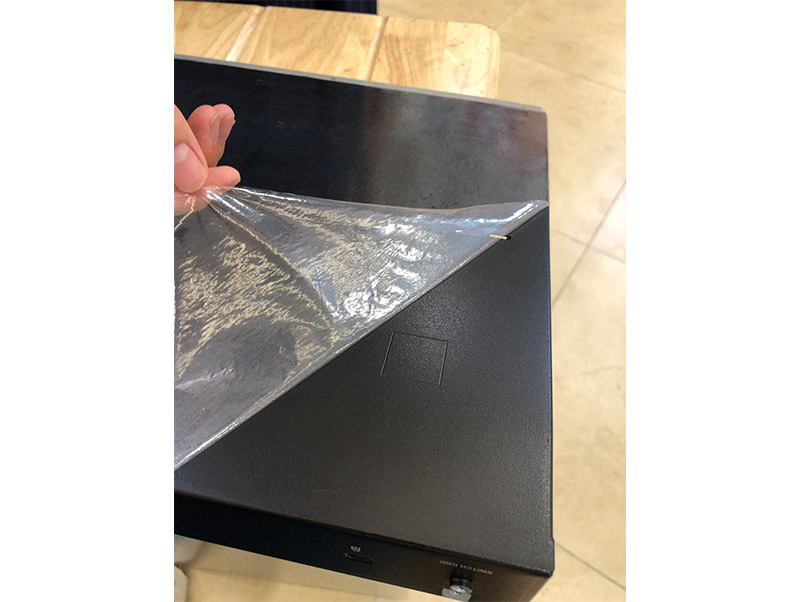
The film is designed for clean removal: it peels off without leaving any glue residue on the protected surface, even after extended high-temperature exposure. This makes it especially valuable in precision manufacturing environments where surface cleanliness is critical.
Advantages
The term 'heat stabilized film' refers specifically to PET films that have been treated or formulated to resist thermal degradation. Here is how they compare to standard protective films:
| Property | Heat Stabilized PET Film vs. Standard PE Film |
| Temperature Resistance | 90–230°C (PET) vs. Max 60–80°C (PE) |
| Adhesive Type | Silicone-based (heat-stable) vs. Acrylic or rubber-based |
| Residue After Removal | Zero residue, even post-heat vs. Adhesive transfer risk |
| Dimensional Stability | Maintains shape under heat vs. Shrinks or warps |
| Chemical Resistance | Solvent, acid & alkali resistant vs. Limited resistance |
| Typical Applications | SMT, anodizing, powder coating vs. Cold-process surface protection |
| Film Thickness | 25–100 μm (customizable) vs. 30–200 μm |
For any application that involves ovens, reflow soldering, aluminum anodizing, or powder coating processes, heat stabilized PET film is the correct specification. Using standard PE film in these environments will result in film failure, adhesive transfer, and potential surface contamination.
1. Ability to withstand high temperature of 90-230ºC. Our high temperature film offers excellent heat resistance, ensuring durability even in extreme temperature conditions.
2. Resistance to solvent, acid, and alkali corrosion. Our heat resistant film provides reliable protection against various chemicals, ensuring the integrity of your surfaces.
3. Good adhesion performance for all kinds of non-polar material surface. Our heat resistant PET film exhibits superior adhesion properties, making it suitable for a wide range of surfaces.
4. Temperature-resistance can be flexibly adjusted according to your requirements. Our high temperature film can be customized to meet specific temperature resistance needs, providing flexibility and versatility.
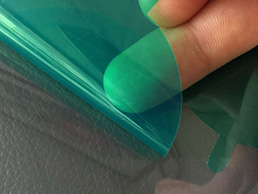
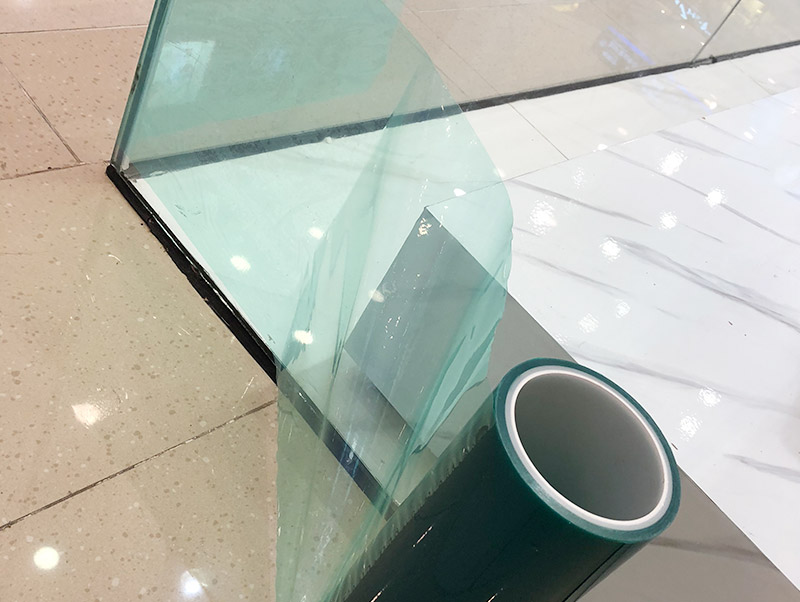
5. Very easy to apply and peel off without leaving any glue on the surface. Our heat resistant film ensures hassle-free application and removal, leaving surfaces clean and residue-free.
6. Our heat resistant PET film has ISO9001: 2008 Quality Management System Certification, ISO 14001: 2004 Environmental Certification.
Specifications
| Specification | Details |
| Base Material | Polyethylene Terephthalate (PET) — biaxially oriented |
| Adhesive Type | Silicone-based pressure-sensitive adhesive (PSA) |
| Temperature Range | 90°C – 230°C (continuous); short-term peaks up to 250°C |
| Film Thickness | 25 μm, 36 μm, 50 μm, 75 μm, 100 μm (custom available) |
| Total Thickness (incl. adhesive) | Approx. 38–125 μm depending on spec |
| Adhesion Strength | 100–140 g/cm (customizable per surface type) |
| Tensile Strength | ≥ 150 MPa (MD direction) |
| Elongation at Break | ≥ 60% |
| Roll Width | 100–1,000 mm (custom slitting available) |
| Roll Length | Standard 100 m / 200 m; custom lengths on request |
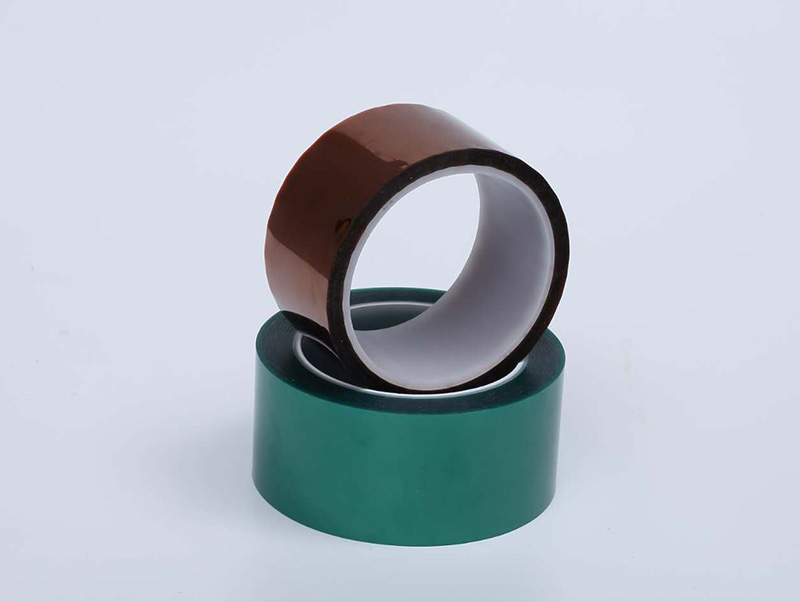
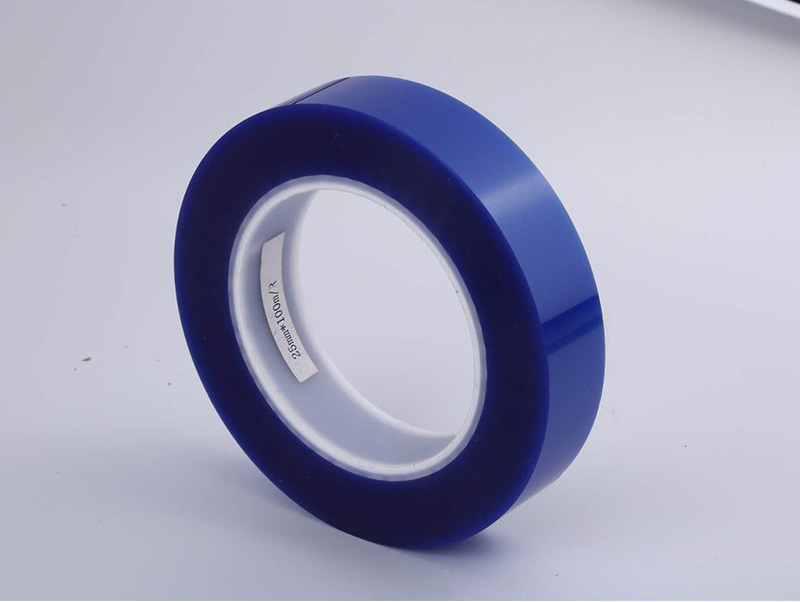
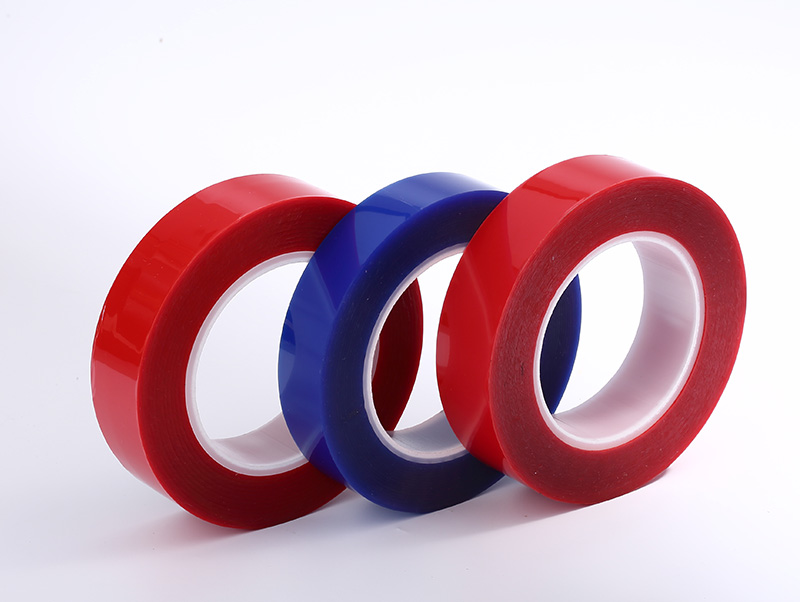
| Color Options | Transparent, blue, green, red (custom on request) |
| Chemical Resistance | Resistant to common solvents, acids, and alkalis |
| Surface Residue | Zero adhesive residue after removal |
| MOQ | Approx. 600 kg |
| Lead Time | Within 15 days (peak and off-season) |
| Certifications | ISO 9001:2008; ISO 14001:2004 |
| HS Code | 3919909090 |
| Packing | Individual rolls in PE bag; carton or pallet (LCL) |
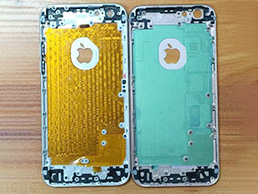
In surface mount technology (SMT), PET high temperature protective film is used to mask specific areas of a PCB or substrate during reflow soldering, wave soldering, and selective soldering processes. Reflow oven temperatures typically range from 200°C to 260°C. The film must withstand this thermal exposure without shrinking, curling, or releasing adhesive onto solder pads or connectors. Our heat resistant PET film with silicone adhesive is specifically rated for SMT reflow environments and is widely used by electronics manufacturers across Asia and Europe.
During the aluminum anodizing process, surfaces are submerged in acidic electrolyte baths at elevated temperatures (typically 18–22°C for standard anodizing, up to 70°C for hard anodizing). High temperature PET film is applied to mask connectors, threads, and other surfaces that must remain uncoated. Because the film is resistant to both acid and alkali, it provides reliable masking without degradation throughout the anodizing cycle.
Powder coating involves curing temperatures of 160–200°C in industrial ovens. PET heat resistant film is applied to aluminum profiles, metal sheets, and structural components prior to coating, protecting connection points, threads, and precision surfaces from overspray and heat. After the curing cycle, the film is peeled cleanly without adhesive residue, avoiding costly rework.
Automotive manufacturers use high temperature PET protective film during engine bay component assembly, paint baking processes, and undercoating applications. In aerospace, heat resistant polyester film is used to mask precision-machined parts and composite structures during bonding and curing operations. The film's combination of high thermal resistance and clean peel performance makes it suitable for demanding aerospace quality standards.
Heat resistant PET film is also used as an insulating barrier in transformer coil winding and motor assembly. Its high dielectric strength, combined with thermal stability at operating temperatures up to 230°C, makes it a reliable choice for Class H insulation applications. In this context, the film serves not just as a protective layer but as a functional electrical insulator.
Production Process
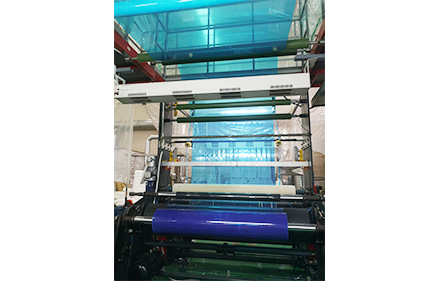
FILM BLOWING
In the film blowing process, we use advanced production equipment and imported raw materials to strictly control the protective film quality from the source.
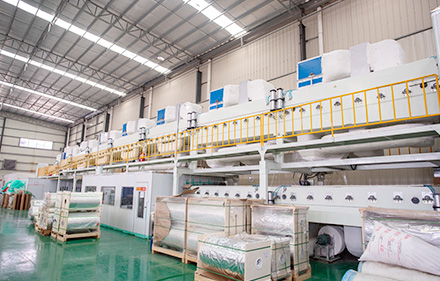
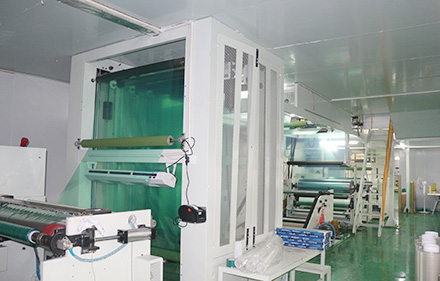
MULTIFUNCTIONAL FILM MAKING MACHINE
We always keep investing in the most advanced machine to produce premium protective films for our customers, such as this multifunctional electronic protective film making machine that features all-in-one production process like coating, drying and final rolling.
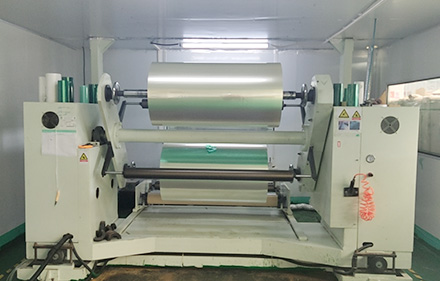
COATING
In the coating process for electronic protective films, our production team strictly has the glue formula and coating machine data checked and regulated during the whole process to ensure the stable viscosity of our films.
FINAL ROLLING
In the final rolling process, our state-of-the-of rolling machine can precisely and accurately roll the finished electronic protective films to the exact sizes we need for our customers.
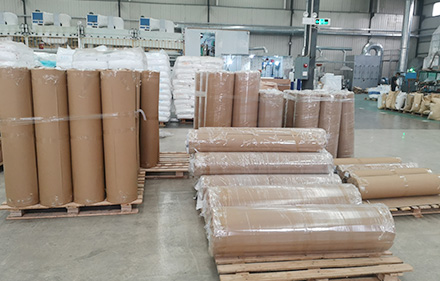
PACKAGING
We use standard seaworthy packaging to pack the films for you to avoid any possible damage during the transit and storage, packing of customization is also available for you.
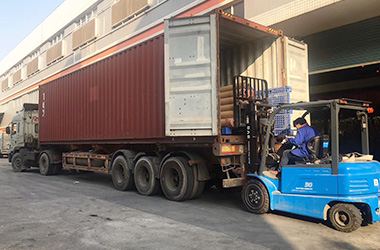
Container Stuffing
Protective Film for Deep Drawing
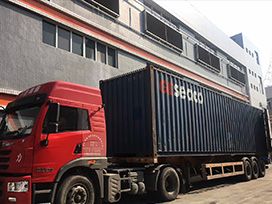
Transportation of Protective Film for Deep Drawin
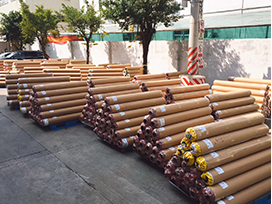
Packing of Protective Film for Deep Drawin
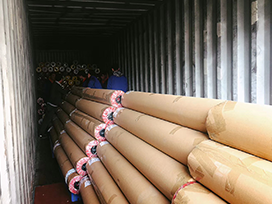
Loading of Protective Film for Deep Drawin
Why Choose Us
Selecting the correct heat resistant PET film specification requires consideration of several key process parameters. Below is a practical guide for procurement engineers and production managers:
Identify the maximum temperature your film will be exposed to, including any transient spikes. Our standard heat stabilized PET film is rated for continuous use at up to 200°C and intermittent exposure up to 230°C. For SMT reflow applications above 230°C, please contact us for our high-performance grade specification.
Adhesion performance varies depending on whether your surface is smooth metal (e.g., aluminum sheet), textured profile, plastic, or ceramic. We offer multiple adhesion grades (100–140 g/cm) and can customize the silicone adhesive formulation to match your specific substrate. Provide surface roughness (Ra) data if available for the most accurate recommendation.
Thinner films (25–36 μm) offer better conformability for curved surfaces and reduce material cost. Thicker films (75–100 μm) provide greater puncture resistance and are preferred in environments where the film may be subject to mechanical abrasion during handling. For most powder coating and anodizing applications, 50 μm is the standard recommendation.
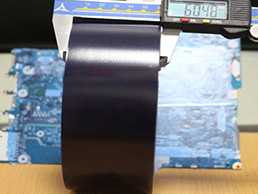
We offer precision slitting from 100 mm to 1,000 mm roll widths. For automated application lines, we can provide specific core sizes, splicing markers, and labeled rolls to integrate with your existing production process. Contact our team with your line specifications for a custom quotation.
As a manufacturer with over 20,000 tons of annual production capacity and ISO 9001:2008 certification, NB provides factory-direct pricing, flexible customization, and reliable lead times of 15 days or less. Here is what sets our heat resistant PET film apart:
• Direct factory pricing — no intermediary markups; competitive for both spot orders and long-term supply agreements
• Full specification customization — width, thickness, adhesion grade, color, and temperature resistance level all adjustable to your requirements
• Free samples available — test our heat stabilized PET film against your process parameters before committing to an order
• Consistent quality — strict incoming material inspection and in-process quality controls ensure batch-to-batch consistency
• OEM/ODM capability — private label, custom packaging, and application-specific engineering support available
• Money-back guarantee — if defective film is received, we take full responsibility for replacement or refund without additional cost to you
•Dedicated export experience — we supply buyers across electronics, automotive, aluminum extrusion, and industrial manufacturing sectors worldwide
Ready to test our PET high temperature protective film? Request a free sample or get a factory-direct quote today.

A: Our standard PET high temperature protective film is rated for continuous use at 90–230°C. For short-term peak exposure (under 5 minutes), it can tolerate up to 250°C. For applications above 230°C, please request our premium high-temperature grade, and provide your process temperature profile for evaluation.
A: Standard PET film is not designed for high-temperature adhesive applications and will lose adhesion, shrink, or transfer adhesive residue when heated. Heat stabilized PET film uses a silicone-based adhesive that is specifically formulated to remain stable across a wide temperature range (90–230°C), maintaining both adhesion during the process and clean peel-off after cooling.
A: Yes. Our heat resistant PET film is used by electronics manufacturers in SMT reflow processes. It is compatible with standard reflow oven temperature profiles (peak 240–260°C for lead-free solder) when applied correctly. We recommend using the 50 μm or 75 μm grade for SMT masking applications. Please request a free sample for testing with your specific process.
A: No. The silicone adhesive used in our heat resistant PET film is specifically selected for its clean removal properties. It does not transfer to the substrate surface even after extended high-temperature exposure. We recommend testing with a free sample on your specific surface material before mass production use.
A: Our standard MOQ is approximately 600 kg. Lead time is within 15 days for both standard and custom specifications, in peak and off-season. Sample orders are available free of charge. Contact our sales team for a formal quotation with your required specifications.
A: Yes. We provide full customization of roll width (100–1,000 mm), film thickness (25–100 μm), adhesion grade (100–140 g/cm), and color. Our engineering team can also adjust the heat resistance level based on your specific process temperature requirements. OEM and ODM services are available.
A: Yes. High temperature PET film is one of the most common masking solutions for aluminum profile powder coating. It protects threaded holes, connection points, and precision surfaces from overspray and oven heat (typically 160–200°C) and peels cleanly after the curing cycle without adhesive residue.
Can PET Film Replace Polyimide Film in High Temperature Applications?
In the rapidly evolving field of material science, PET high temperature protective films are eme...
Optical Grade PET Heat Resistant Protective Film
Optical Grade PET Heat Resistant Protective Film is a specialized film designed to provide ...
Navigation
+86 158 1691 5404
+86 757 8271 3937
+86 757 8271 3937
No. 10 Industry Huacongsiyue Village, Shishan Town, Nanhai District, Foshan, Guangdong Province, China