NB
PROTECTIVE FILMS
NB
PROTECTIVE FILMS
May. 29, 2026
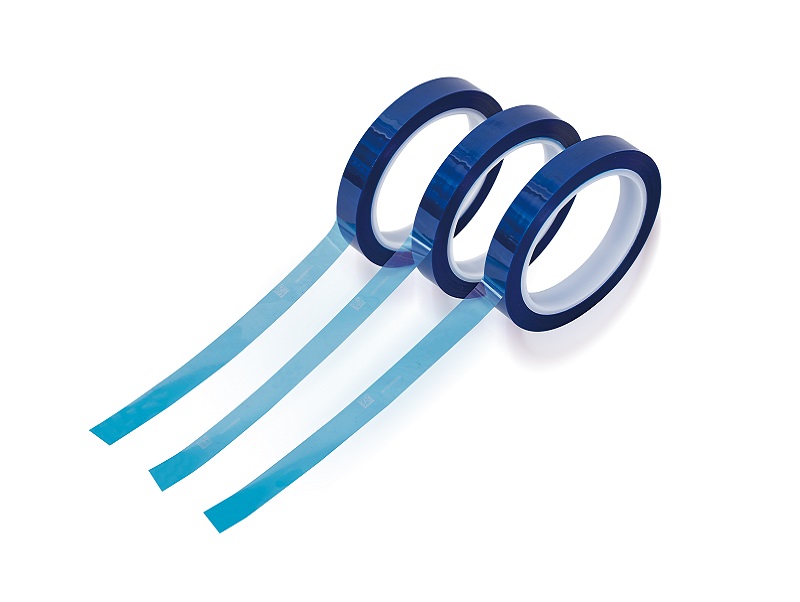
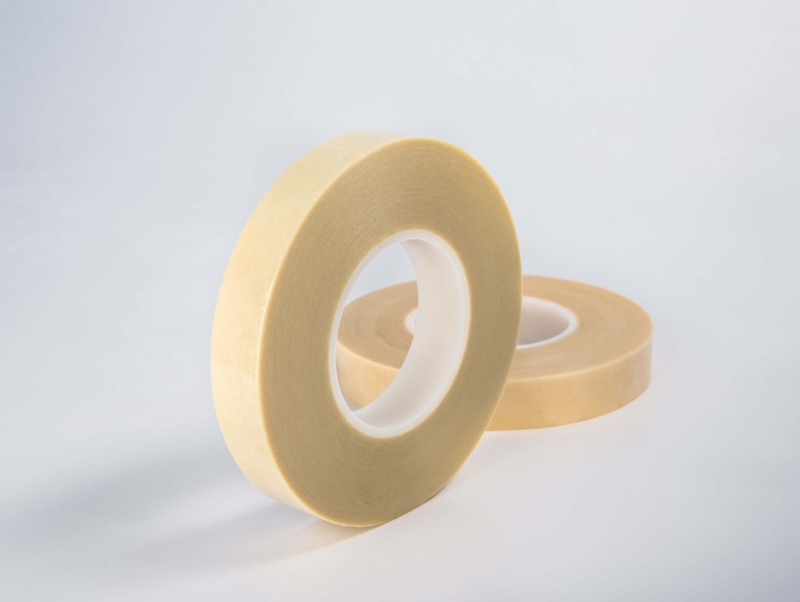
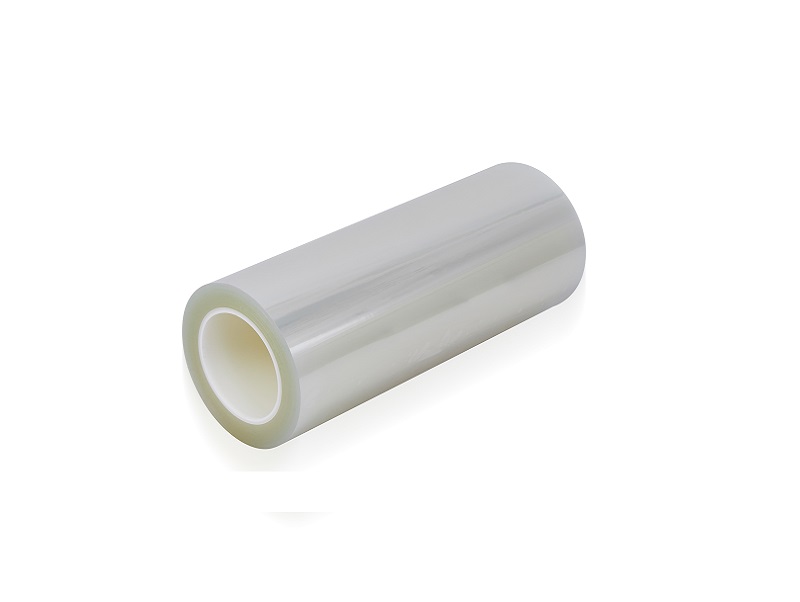
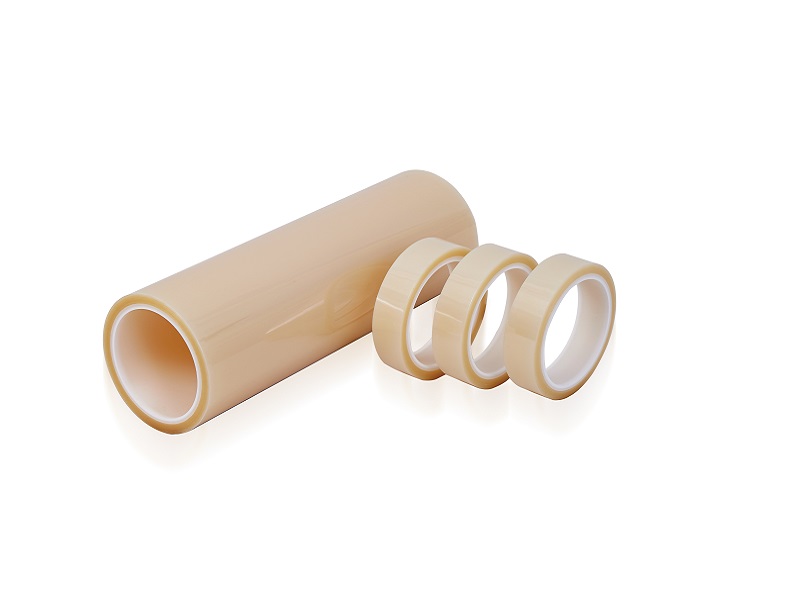
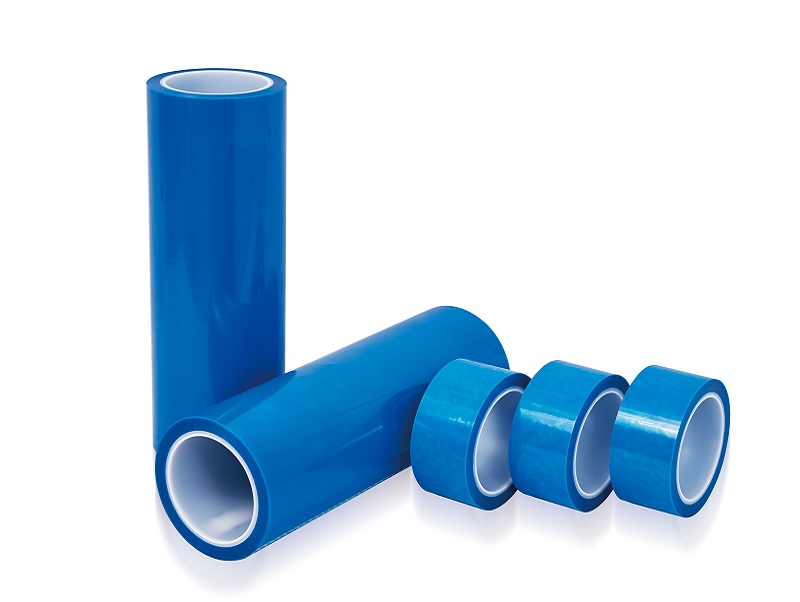
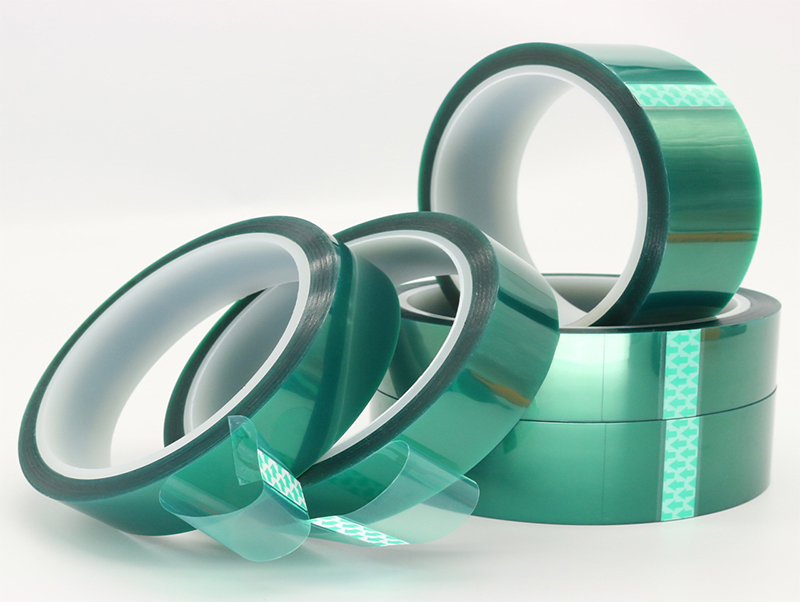
When it comes to enhancing productivity and safeguarding valuable equipment in industrial settings, choosing the right PET High Temperature Protective Films is crucial. In this article, I will walk you through clear, actionable steps to ensure your selection process is simple, efficient, and tailored to meet your specific needs. By the end, you\'ll be equipped with the knowledge to make informed decisions that can lead to significant operational benefits.
To start, I recommend defining your specific requirements based on the operational environment and purpose of the protective film. High temperature environments can vary widely, with materials exposed to conditions ranging from 120°C to over 200°C. Understanding the thermal resistance of your desired film is paramount for its effectiveness.
Begin by considering the following factors:
Operating Temperature: Clearly define the temperature range of your application. Look for films rated for higher than the maximum expected temperature to ensure durability.
Mechanical Properties: Depending on your application, you may need additional strength—check tensile strength ratings (preferably above 30 MPa), elongation percentages, and rigidity.
Chemical Resistance: Assess the chemicals your film may encounter. Ensure that the PET film meets relevant ASTM standards—particularly ASTM D3039 for tensile properties.
If you are not familiar with these specifications, I highly recommend consulting with reputable suppliers or industry experts.
Next, examine the industry standards that align with your operational needs. Different industries adhere to various guidelines, which can affect performance. Here are key standards you may want to reference:
ASTM D5276: Standard Test Method for Drop Test of Shipping Containers.
DIN 4102: Fire behavior of building materials and building components.
ISO 14644: Clean room standards, pertinent if your application involves sensitive electronic components.
Understanding these standards will help ensure the protective films conform to the necessary quality benchmarks.
Selecting a reputable supplier can greatly influence the quality of your final product. When evaluating potential partners:
Industry Reputation: Look for suppliers known for delivering consistent, high-quality films. Reading customer testimonials and reviews can provide insight.
Quality Assurance Processes: Confirm that the supplier has stringent quality control processes in place, including 100% inspection of produced films.
Response Time: Evaluate their communication practices. A response within 24 hours can be crucial for urgent projects.
Consider using resources like the website https://www.nbprotectivefilm.com/data/watermark/20200806/5f2b74a66e055.jpg to visualize product options and verify supplier credibility.
Don’t skip this vital step. That means testing! Prototyping your selected protective film in your specific application will yield practical insights. Conduct tests under real operational conditions to confirm:
Adhesion Performance: Ensure it adheres properly to the surfaces.
Heat Resistance: Monitor its performance under operational temperatures.
Durability: Evaluate how it stands up to mechanical stress and chemicals.
After implementing your PET High Temperature Protective Films, continuously monitor their performance. This allows for timely adjustments if any unexpected issues arise, ensuring sustained efficacy in your operations. Some challenges you might face include peeling or degradation under extreme conditions. If experienced:
Evaluate environmental factors that may exceed films\' specifications.
Consult your supplier for insights on possible biases in application or misalignment in product use.
Now that you’re well-versed in choosing PET High Temperature Protective Films for industrial use, remember the following steps:
Identify the operational temperature and mechanical needs.
Evaluate industry standards relevant to your application.
Assess supplier credibility for quality assurance.
Test your selected films in actual conditions.
Monitor their performance for ongoing success.
Taking the time to follow these steps means you will be ready to enhance productivity effectively. Choose wisely, and let your business reap the benefits of using high-quality PET High Temperature Protective Films tailored to your industrial needs. Act now, and elevate your operations to the next level!
Previous: PET vs PI High Temperature Protective Film
Next: Transparent vs Black & White Protective Film: Which One Fits Your Application?
Navigation
+86 158 1691 5404
+86 757 8271 3937
+86 757 8271 3937
No. 10 Industry Huacongsiyue Village, Shishan Town, Nanhai District, Foshan, Guangdong Province, China