NB
PROTECTIVE FILMS
NB
PROTECTIVE FILMS
Jun. 12, 2026
Anodized aluminum has a durable, corrosion-resistant layer created through an electrolytic process. This treatment enhances adhesion, making it suitable for a wide range of applications.
Powder coating provides a tough, decorative finish on aluminum surfaces. This process involves applying a dry powder that is then cured under heat, leading to superior adhesion properties.
Mill finish refers to aluminum that has not undergone any surface treatment. It has a raw appearance and lower adhesion properties compared to anodized and powder-coated finishes.
Determine the specific adhesion needs based on your project. Consider factors such as environmental conditions, load requirements, and longevity.
Choose between anodized, powder-coated, or mill finish based on your adhesion assessment. For instance, anodized surfaces are ideal for corrosive environments, while powder-coated finishes are best for aesthetic projects.
Proper surface preparation is crucial for optimal adhesion. Clean the aluminum surface to remove oils, dust, and other contaminants using:
Solvent cleaners
Sandblasting for rough finishes
Sanding with fine-grit sandpaper
Conduct adhesion tests to ensure compatibility. Use methods like:
Crosshatch tape adhesion test
Pull-off adhesion testing
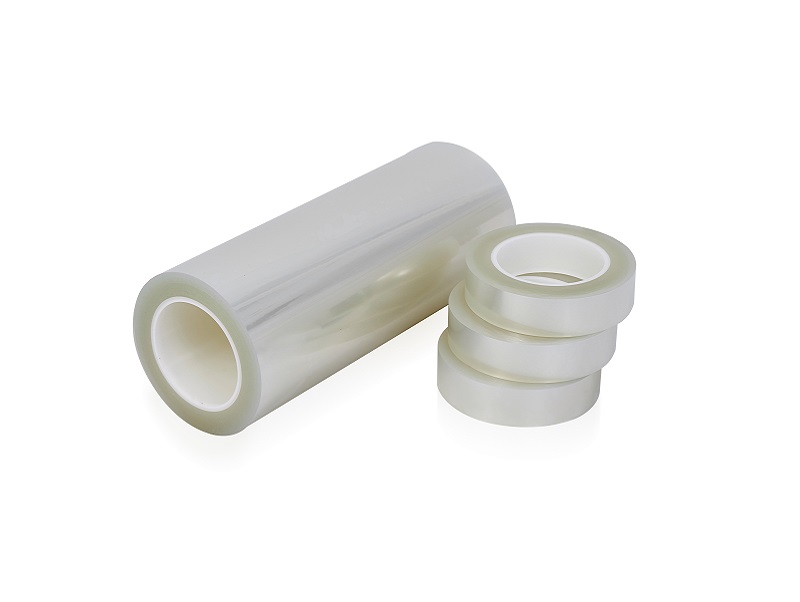
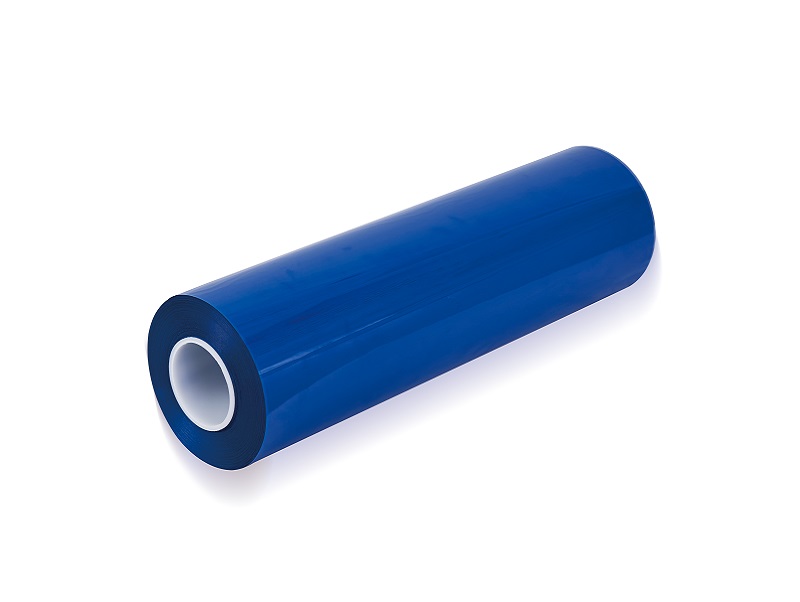
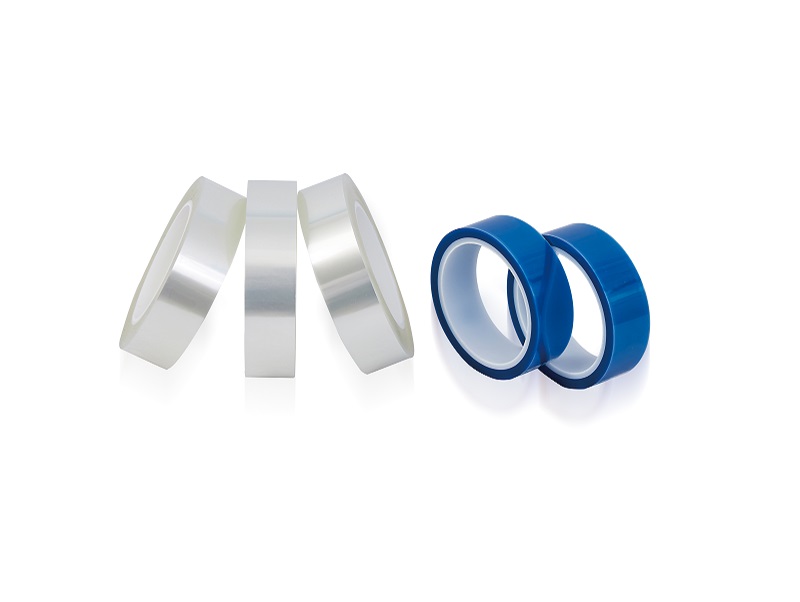
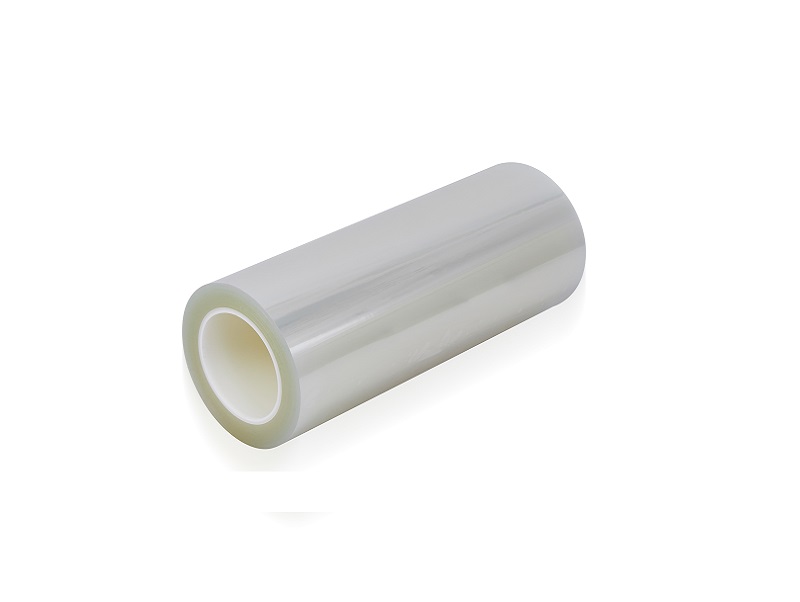
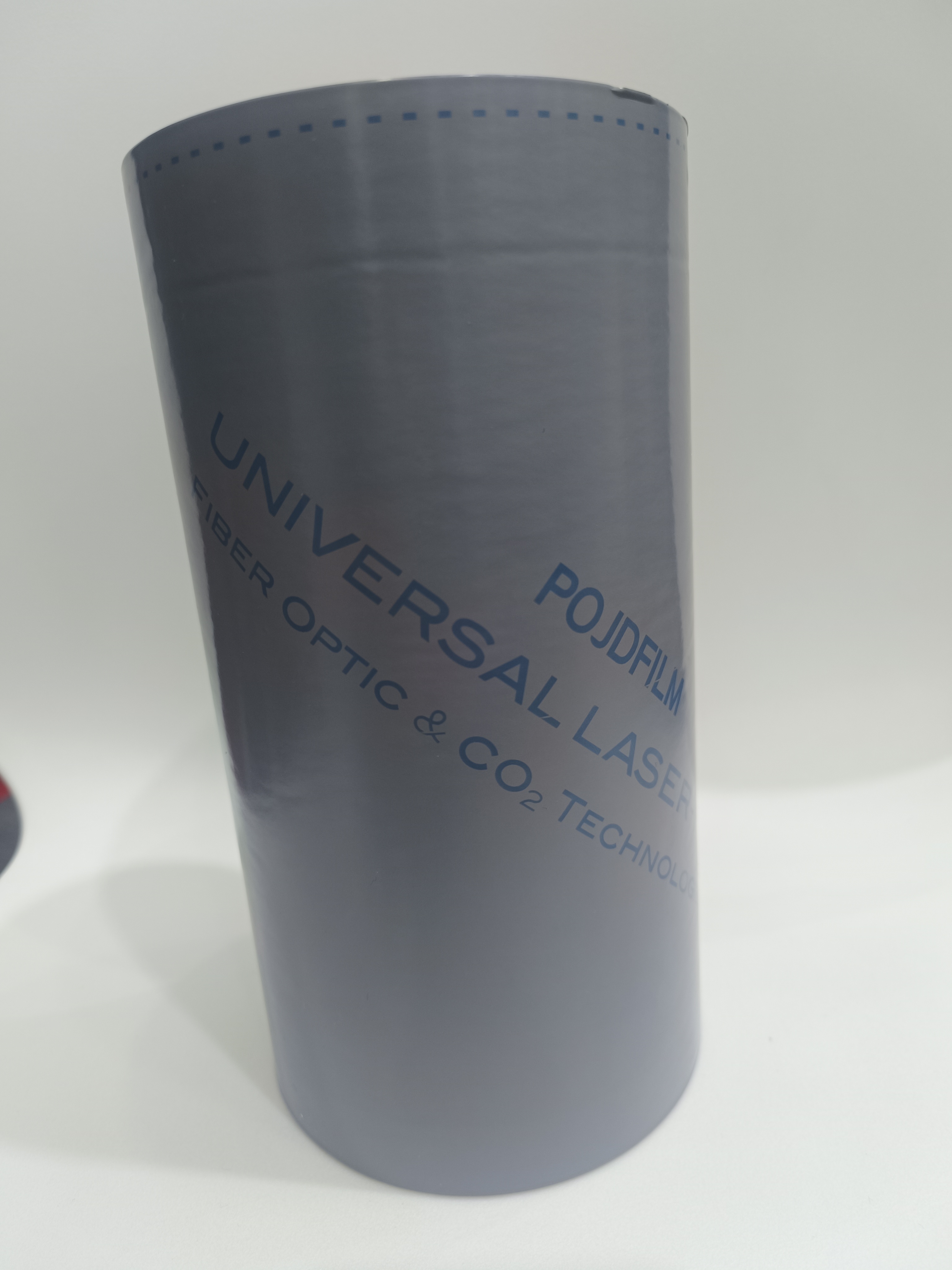
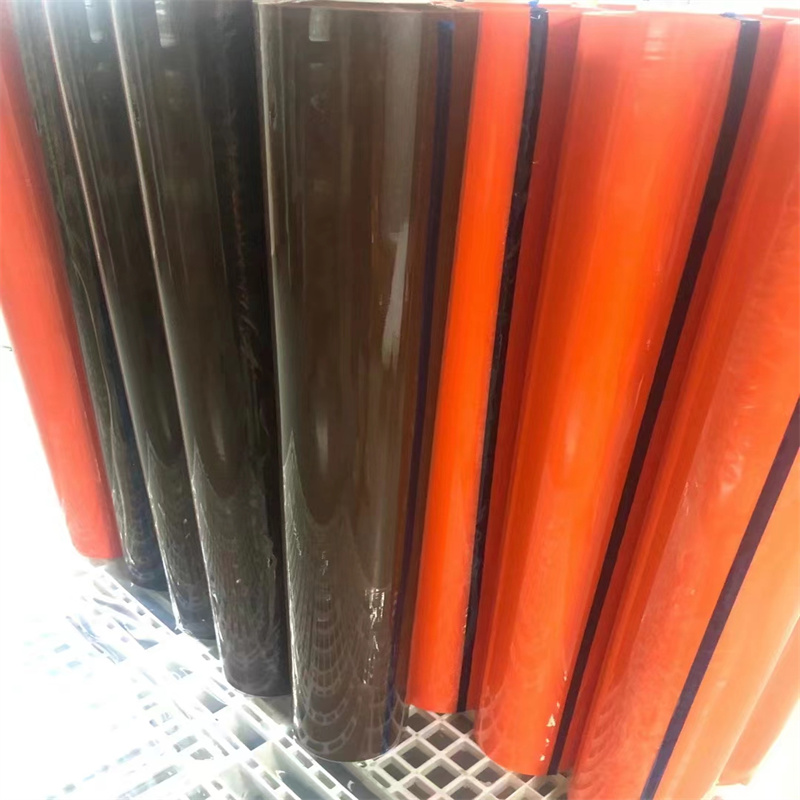
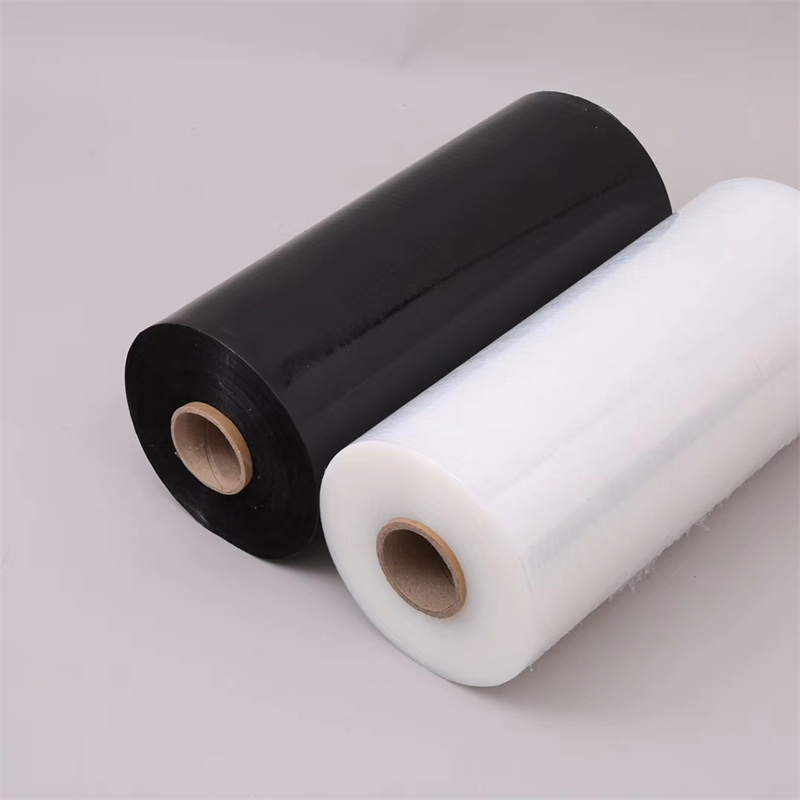
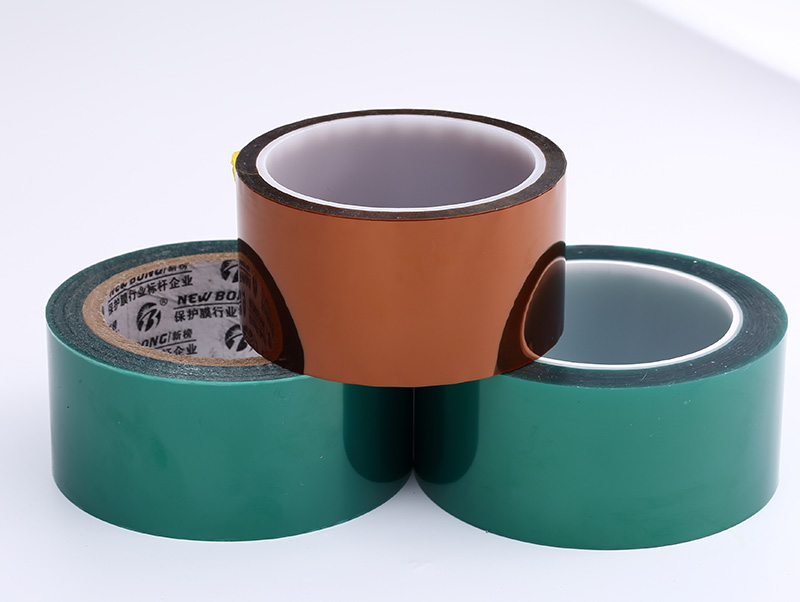
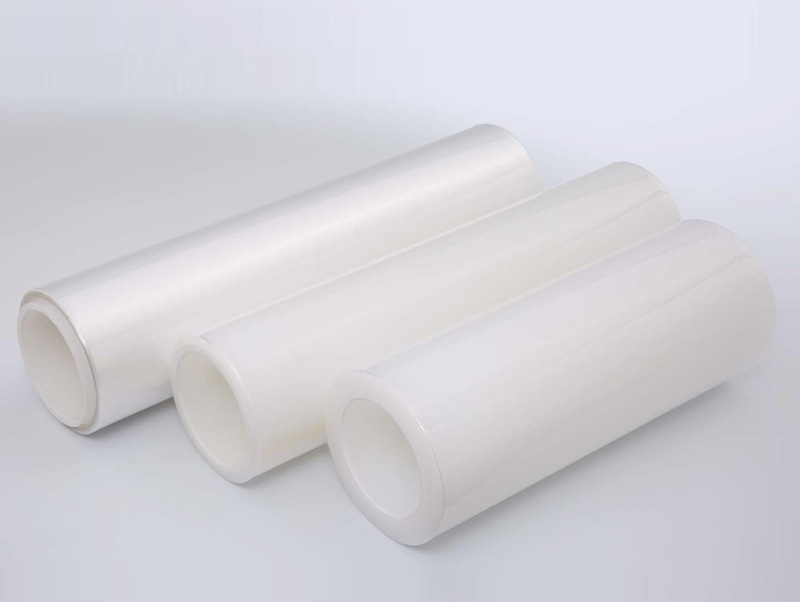
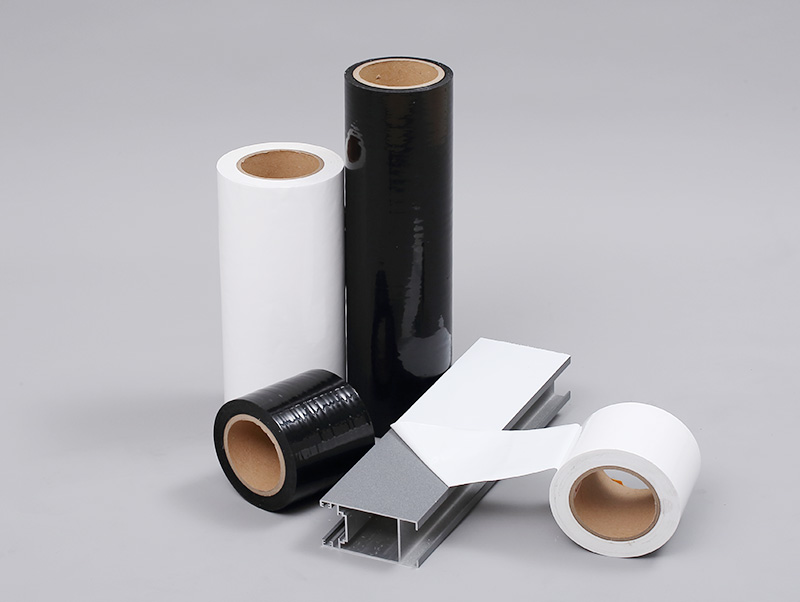
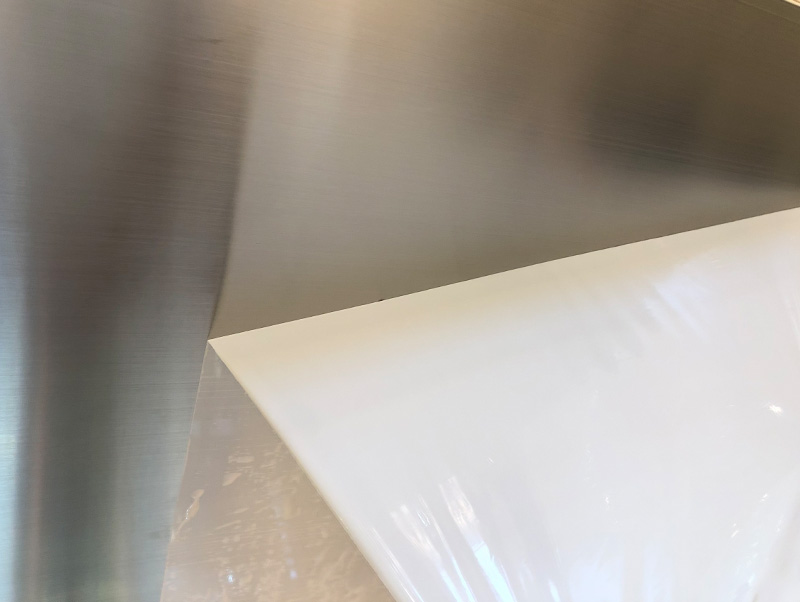
Before applying any coatings, use Aluminum Profile Protective Film to shield the surface from dust and contaminants during treatment. This step helps maintain the quality of the finish.
Follow the application guidelines specific to the selected treatment:
For anodization, follow the electrolytic processing steps.
For powder coating, ensure the surface is charged properly while applying the powder.
Allow the coated aluminum to cure as per manufacturer instructions. This is vital for achieving the desired adhesion strength.
Cleaning solvents
Sandblasting equipment (if needed)
Fine-grit sandpaper
Adhesion testing kits
Aluminum Profile Protective Film
Coating applicators (for powder coating)
Neglecting to clean the surface thoroughly can significantly affect adhesion. Ensure all contaminants are removed before proceeding.
Dispensing with adhesion tests can lead to poor performance. Always test before applying the final treatment.
Failing to account for temperature and humidity can impact both the application and effectiveness of the surface treatment.
Successfully matching adhesion levels with aluminum surface treatments involves careful consideration of the surface treatment type and rigorous preparation steps. Remember to use Aluminum Profile Protective Film during the process to ensure superior quality results. For more information on protective films, visit NB.
Previous: How to Choose the Right Aluminum Profile Protective Film for Different Surface Finishes
Next: Industrial PET Protective Film Supplier Selection Guide
Navigation
+86 158 1691 5404
+86 757 8271 3937
+86 757 8271 3937
No. 10 Industry Huacongsiyue Village, Shishan Town, Nanhai District, Foshan, Guangdong Province, China