NB
PROTECTIVE FILMS
NB
PROTECTIVE FILMS
Jun. 12, 2026
There are several types of surface finishes for aluminum, including anodized, mill finish, and painted finishes. Each type has unique properties that affect the choice of protective film.
Anodized Finish: Offers durability and corrosion resistance.
Mill Finish: As it is raw and untreated, it requires more protection.
Painted Finish: Protects color integrity from scratches and contaminants.
Consider the environment where the aluminum will be used. Is it indoors or outdoors? Will it be exposed to moisture or chemicals? Understanding this helps in choosing a film that offers adequate protection.
Thickness is crucial for the protective film’s performance. Thicker films typically provide better protection but may be more difficult to apply. Consider the following:
Light Usage: 3-5 mil thickness
Moderate Usage: 5-7 mil thickness
Heavy Usage: 7-10 mil thickness
The adhesive should match the surface finish to avoid damage or poor performance. Key adhesive types include:
Low-tack: Ideal for sensitive finishes.
High-tack: Better for rough or unsealed surfaces.
Permanent: Good for long-term applications but harder to remove.
Identify the type of aluminum surface you’ll be working with.
Understand where the film will be applied to anticipate any external influences.
Based on usage, choose the appropriate thickness for the protective film.
Choose an adhesive that complements the surface finish and provides the desired removal characteristics.
Create a checklist of required specifications for the film: chemical resistance, UV stability, and compatibility with the aluminum finish.
Before making a bulk order, request samples to test on the actual surfaces. This helps ensure a good fit.
Always ensure that the protective film is compatible with the specific surface finish to prevent adhesion issues.
Falling short in assessing the exposure conditions can lead to choosing the wrong protective film, affecting performance.
Neglecting to test samples can lead to unexpected issues when applying the film to your aluminum surfaces.
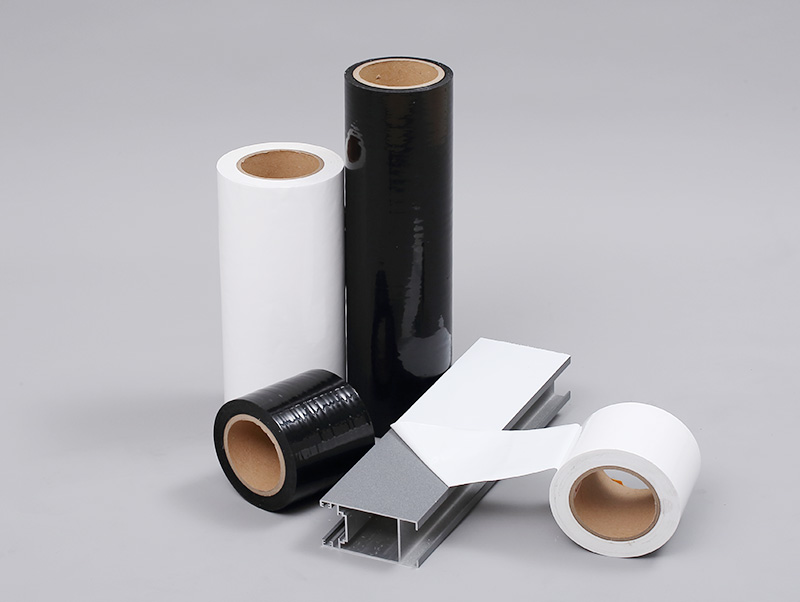
Choosing the right Aluminum Profile Protective Film is crucial for maintaining the integrity and appearance of your aluminum products. Understanding various surface finishes, thickness requirements, and adhesive options will greatly improve your selection process. For more information on high-quality protective films, visit NB.
Previous: PET High Temperature Film for Automotive Interior Components
Next: How to Match Adhesion Level with Aluminum Surface Treatment (Anodized, Powder Coated, Mill Finish)
Navigation
+86 158 1691 5404
+86 757 8271 3937
+86 757 8271 3937
No. 10 Industry Huacongsiyue Village, Shishan Town, Nanhai District, Foshan, Guangdong Province, China