NB
PROTECTIVE FILMS
NB
PROTECTIVE FILMS
Jun. 26, 2026
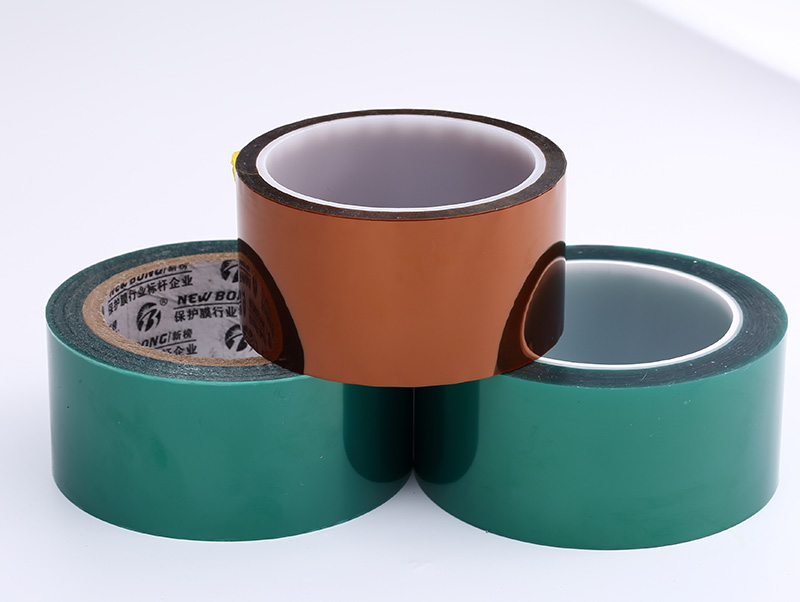
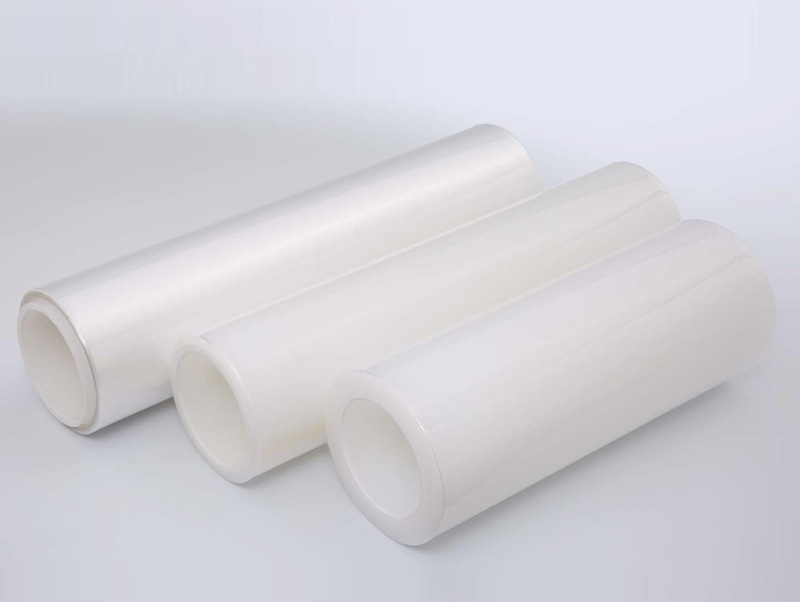
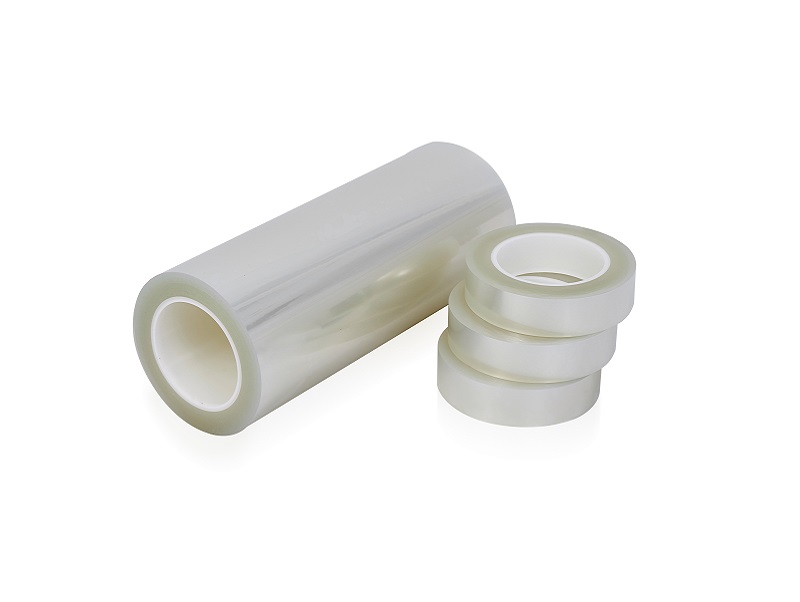
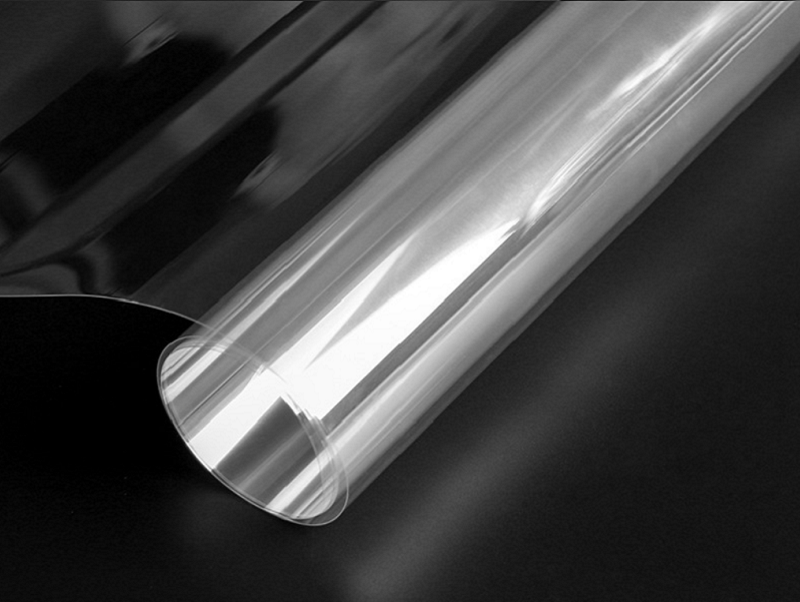
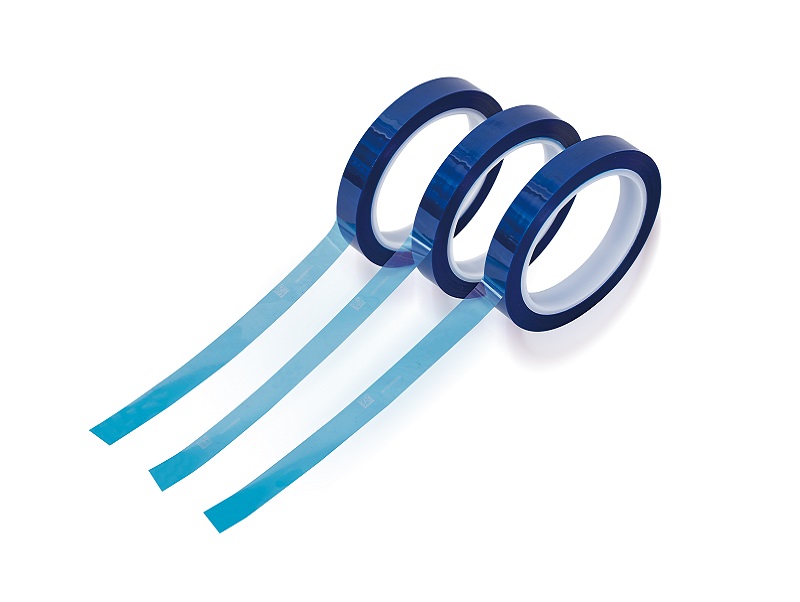
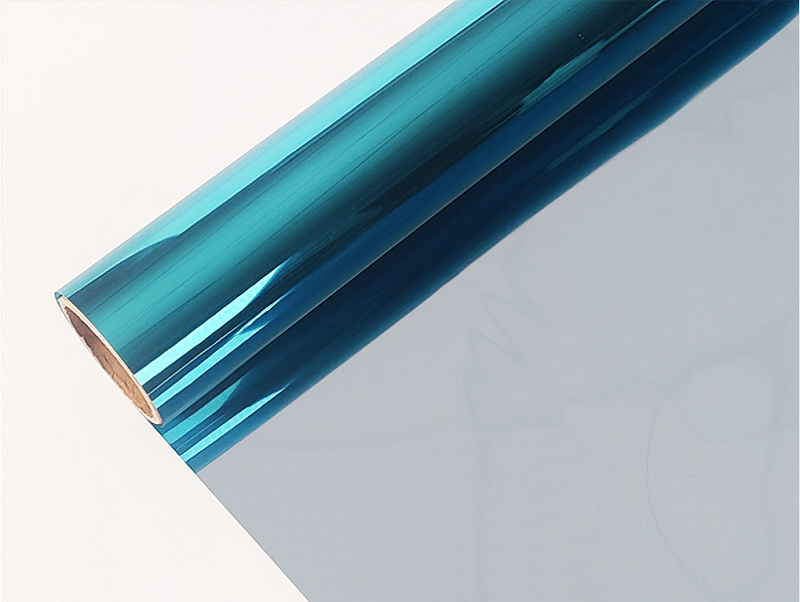
For automotive manufacturers and suppliers, PET High Temperature Film represents a breakthrough in innovation that enhances the performance and longevity of interior components. This thermoplastic material stands out for its exceptional thermal resistance, making it ideal for applications in environments where high temperatures are a given. Beyond its mere definition, the value of PET High Temperature Film lies in its ability to protect sensitive automotive parts from extreme conditions while maintaining their aesthetic appeal and functionality.
Historically, PET (Polyethylene Terephthalate) has been a staple in the plastics industry, prized for its strength and durability. The evolution of PET High Temperature Film can be traced back to the automotive industry\'s demand for more advanced materials that can withstand the rigors of modern vehicle operation. With increased focus on performance and sustainability, the introduction of this specialized film has transformed how manufacturers approach interior component design, leading to innovations that meet both consumer expectations and regulatory standards.
In practical terms, PET High Temperature Protective Films provide a protective layer for various automotive interior components, including dashboards, door panels, and center consoles. Their importance cannot be overstated; the films not only prevent fading and damage from UV exposure but also resist scratches and chemicals commonly found in vehicles. This results in a longer lifespan for components, ultimately reducing replacement costs for manufacturers and enhancing customer satisfaction. By utilizing this technology, automotive companies can achieve quality standards that align with rigorous testing benchmarks, such as ASTM and DIN certifications, ensuring reliability and safety across all vehicle models.
Despite the clear advantages, some misconceptions surround PET High Temperature Film. One common error is underestimating its resilience. Many believe that because it is a plastic film, it may not withstand extreme heat or pressures. However, tests indicate that PET High Temperature Films can endure up to 200°C (392°F), effectively debunking this myth. Additionally, there is confusion regarding the applicability of these films—some manufacturers mistakenly think they are limited to high-end vehicles. In reality, PET High Temperature Film is versatile enough for broad applications across various vehicle types.
To illustrate the effectiveness of this technology, consider a case study involving a major automobile manufacturer that integrated PET High Temperature Film into its new vehicle models. The manufacturer reported a 25% reduction in component replacements due to heat-related failures and a 30% improvement in customer satisfaction surveys, attributing these successes directly to enhanced product durability thanks to the film. Such outcomes reinforce the importance of adopting innovative materials in automotive design.
In conclusion, PET High Temperature Film for Automotive Interior Components is an essential advancement in the automotive industry, offering unparalleled protection and aesthetic appeal while ensuring longevity and resilience against high temperatures. By dispelling myths and highlighting real-world applications, it becomes evident that investing in this technology is not just a wise business decision but a necessary step towards improving product quality and customer loyalty. To explore how PET High Temperature Film can elevate your automotive offerings, visit NB Protective Film for comprehensive solutions tailored to your needs.
Previous: PET Protective Film Used in Energy Storage Systems
Next: How to Choose the Right Aluminum Profile Protective Film for Different Surface Finishes
Navigation
+86 158 1691 5404
+86 757 8271 3937
+86 757 8271 3937
No. 10 Industry Huacongsiyue Village, Shishan Town, Nanhai District, Foshan, Guangdong Province, China