NB
PROTECTIVE FILMS
NB
PROTECTIVE FILMS
Jun. 26, 2026
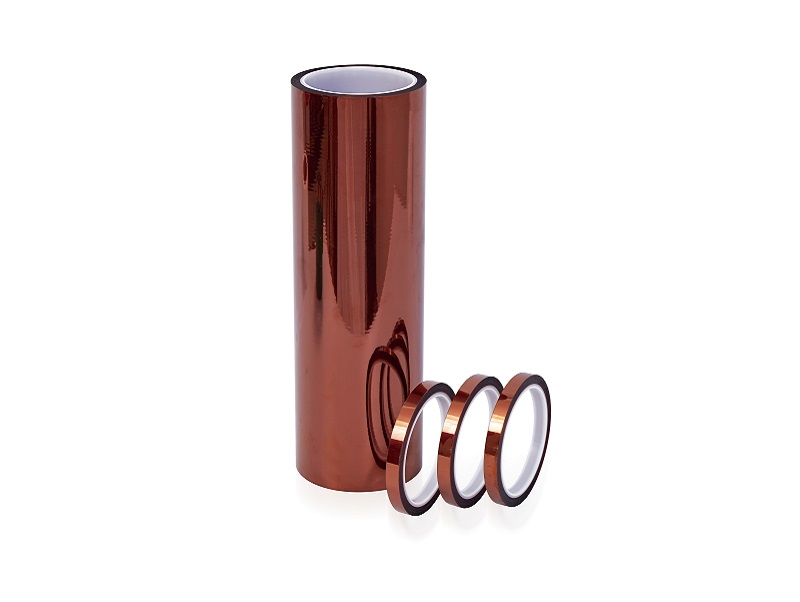
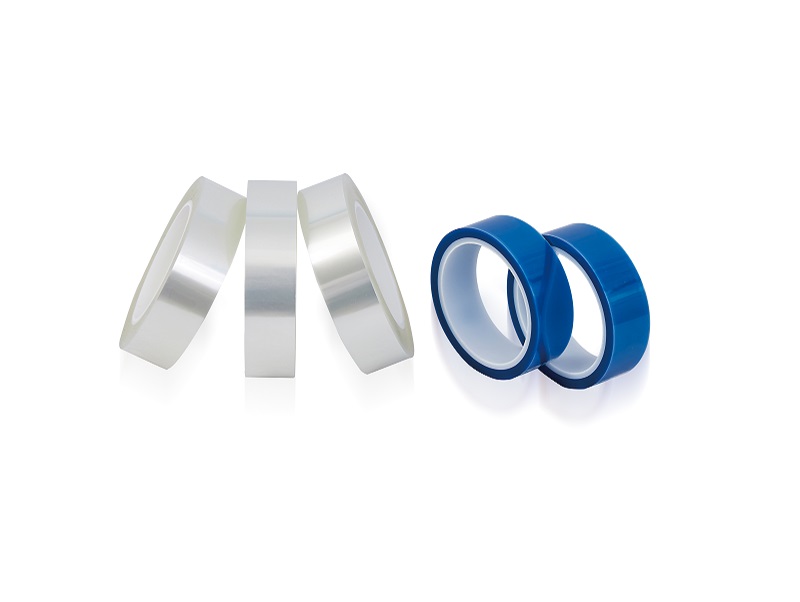
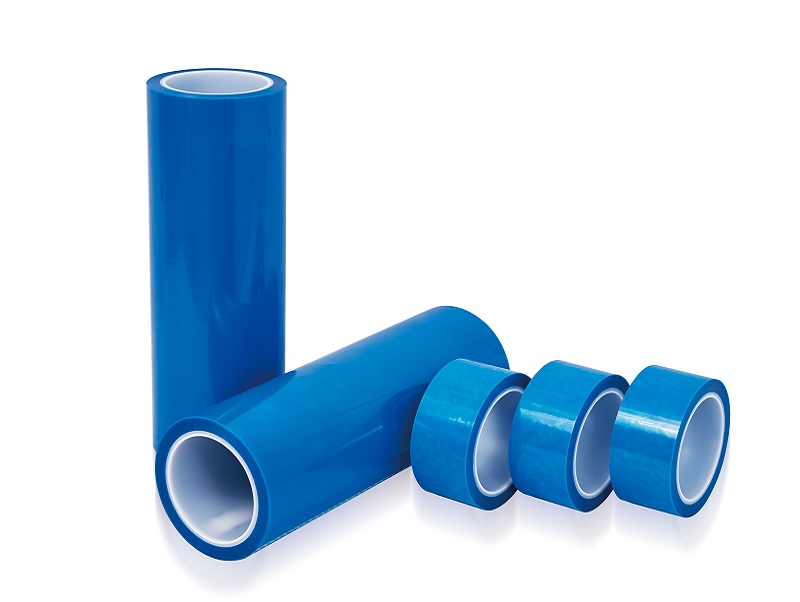
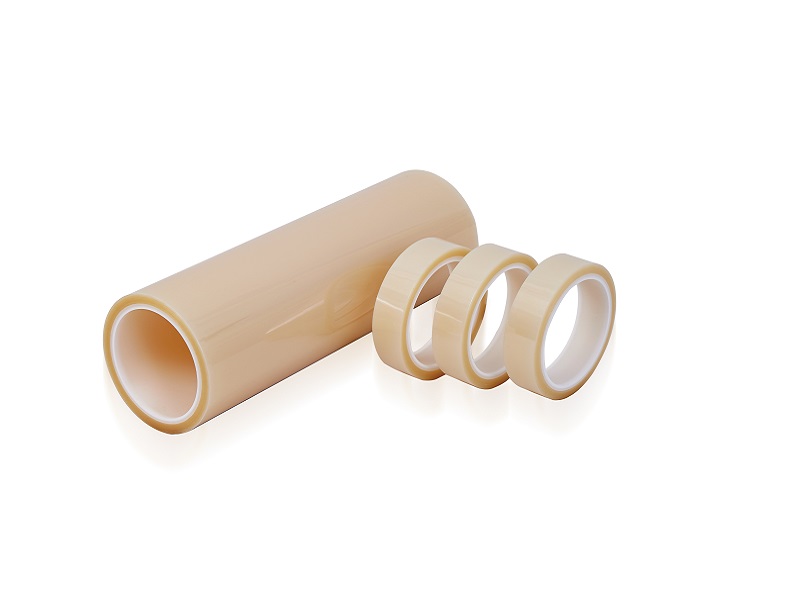
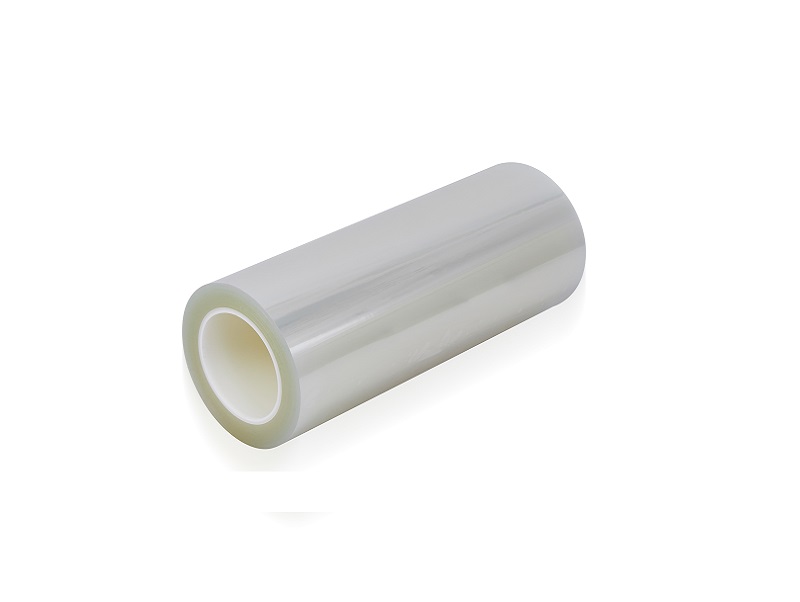
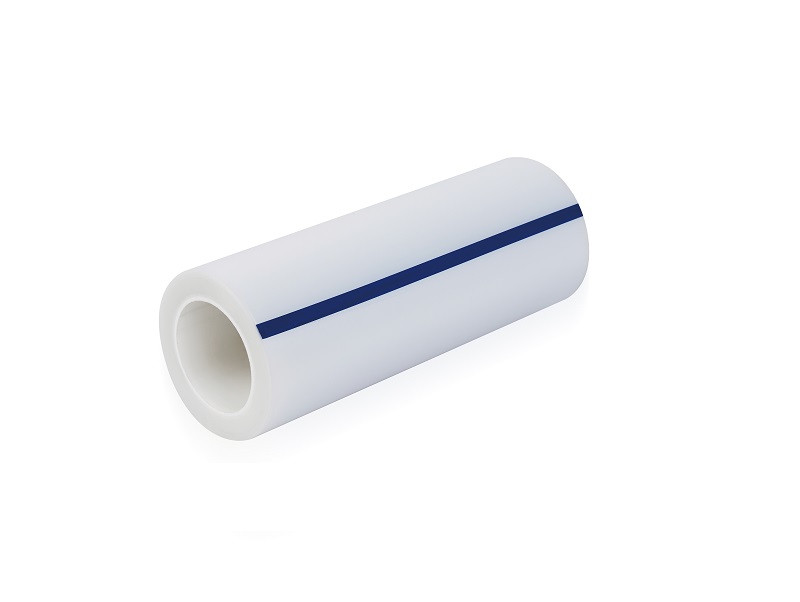
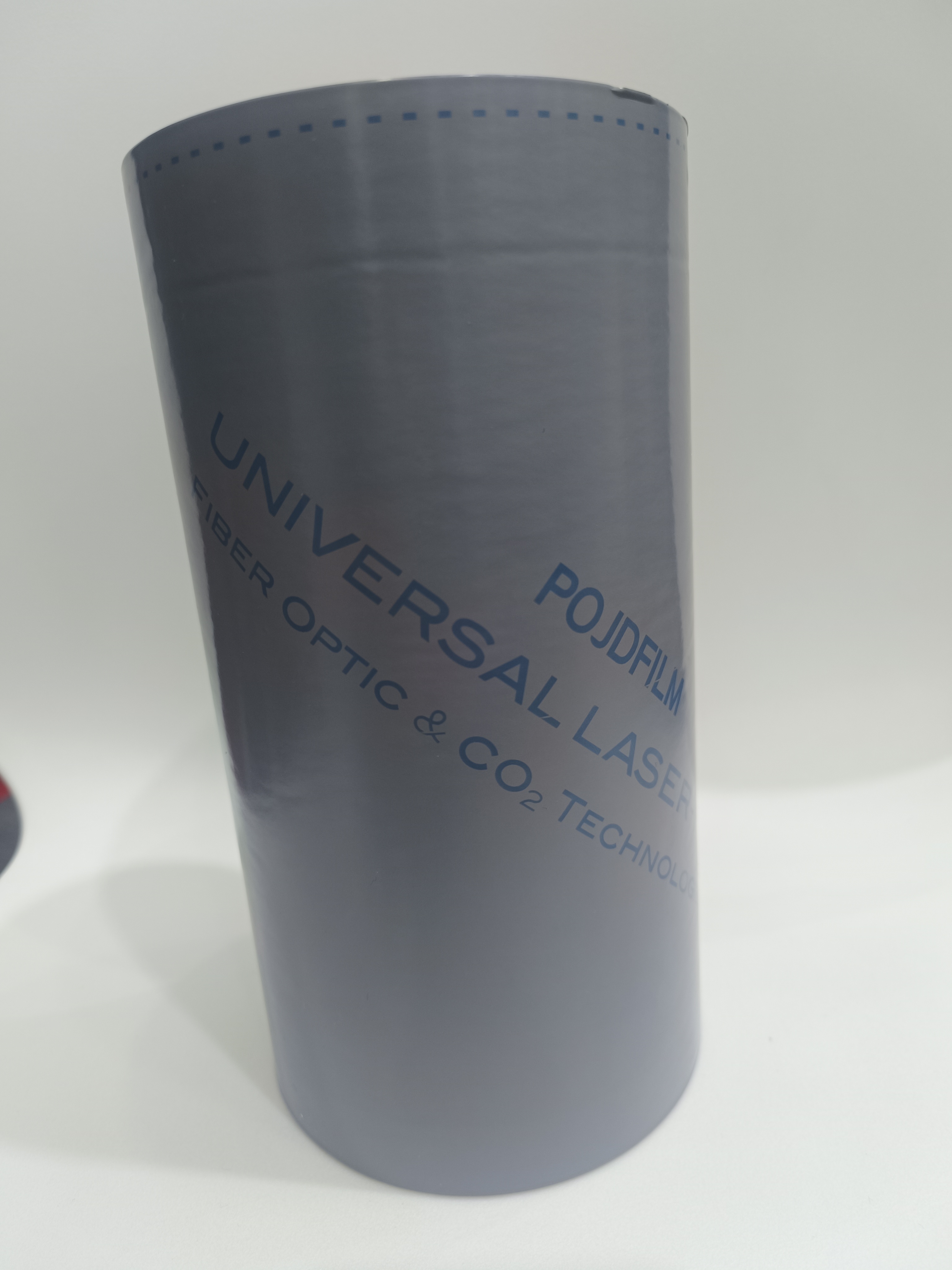
In the rapidly evolving world of sustainable technology, PET protective film has emerged as a vital component in energy storage systems. This specialized film protects sensitive components from dust, moisture, and scratches, ensuring optimal performance and longevity. Its application spans various energy storage solutions, including batteries and supercapacitors, where precision and protection are critical. By utilizing PET protective film, manufacturers can enhance the overall reliability of their products, contributing to business growth and customer satisfaction.
The roots of PET (Polyethylene Terephthalate) protective film trace back to advancements in polymer science during the late 20th century. Initially, its use was limited to packaging materials, but with technological progress, its versatility in different industries, particularly in electronics and energy storage, has significantly expanded. This evolution is driven by the increasing demand for durable, lightweight, and efficient materials in energy storage applications. Today, manufacturers are leveraging PET protective film to meet stringent industry standards, including ASTM and DIN, which ensures high-quality performance.
The significance of PET protective film in energy storage systems cannot be overstated. It provides essential protection against environmental factors that could degrade performance over time. For instance, in lithium-ion batteries, the film acts as a moisture barrier, reducing the risk of corrosion and enhancing safety. By employing PET protective film, companies can achieve a remarkable precision of up to 0.01mm in protective layering, coupled with 100% inspection processes that guarantee product integrity. These attributes not only prolong device life but also improve energy efficiency, making them crucial for businesses focused on sustainability.
Despite its advantages, there are common misconceptions regarding the usage of PET protective film. A widespread belief is that protective films can add significant weight to energy storage devices, affecting their portability. In reality, PET films are engineered to be lightweight, ensuring that they do not compromise the overall weight of the system. Additionally, some manufacturers might underestimate the importance of adhering to specific testing standards, which can compromise product reliability. Adopting the right quality assurance protocols is essential to fully exploit the benefits of PET protective films.
To illustrate the effectiveness of PET protective film, consider a major energy storage company that incorporated this technology for its lithium-ion batteries. After implementing PET protective film, the company\'s product life increased by an impressive 30%, while customer complaints related to damage and performance dropped significantly. This case study exemplifies the critical role that protection plays in enhancing both product quality and consumer trust, ultimately leading to increased market competitiveness.
In summary, PET protective film used in energy storage systems represents a game-changing solution for manufacturers aiming to optimize durability and efficiency. Its historical context, practical applications, and ability to adhere to industry standards make it a pivotal component in today\'s energy storage landscape. By prioritizing quality and understanding the value of protecting sensitive components, businesses can foster greater reliability and performance. Interested companies are encouraged to explore further the potential of PET protective films by visiting NB Protective Film to learn more about their robust offerings.
Previous: Key Factors When Buying Heat Resistant PET Films
Next: PET High Temperature Film for Automotive Interior Components
Navigation
+86 158 1691 5404
+86 757 8271 3937
+86 757 8271 3937
No. 10 Industry Huacongsiyue Village, Shishan Town, Nanhai District, Foshan, Guangdong Province, China