NB
PROTECTIVE FILMS
NB
PROTECTIVE FILMS
Jun. 05, 2026
Selecting an industrial PET (Polyethylene Terephthalate) protective film supplier is crucial for businesses seeking to enhance their product quality and operational efficiency. This guide is designed for manufacturers, production managers, and procurement officers facing challenges in choosing the right supplier for high-temperature protective films. By understanding key factors, you can mitigate risks and avoid common pitfalls such as poor material quality and extended lead times, resulting in an estimated 25% increase in production efficiency.
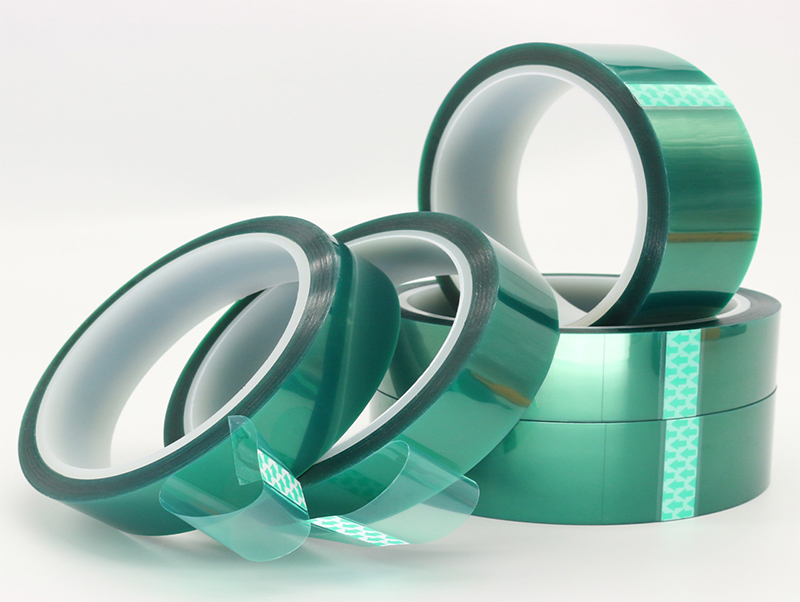
To effectively select a supplier for high-temperature PET protective films, it’s essential to grasp relevant terminology and principles. High temperature protective films, commonly used in electronic components, automotive parts, and surface protection, boast thermal resistance properties that can withstand temperatures exceeding 120°C. These films are typically measured by their tensile strength (often exceeding 5,000 psi), elongation at break (often around 200%), and adhesion properties (typically around 15 N/cm), making them integral to protecting surfaces during manufacturing processes.
Before diving into supplier selection, assess your specific needs. Determine the film’s required thickness (often ranging from 25 to 200 microns), clarity, and any environmental regulations. A clear understanding will streamline the search process.
Utilize online platforms and industry directories to create a shortlist of potential suppliers. Focus on companies specializing in high-temperature PET protective films and examine customer reviews. Key data metrics such as an average response rate of 90% to inquiries can indicate reliability.
Request product samples and technical data sheets from shortlisted suppliers. Pay attention to test results regarding tensile strength, elongation, heat resistance, and surface finish. For instance, films should ideally retain a 98% adhesive strength after exposure to high temperatures for 48 hours.
Assess the supplier’s production capabilities. Verify their machinery and technology. Suppliers equipped with advanced extrusion and coating technology can produce PET films with uniform thickness and higher precision, reducing waste by as much as 15%.
Ensure suppliers comply with relevant industry standards like ISO 9001 or RoHS. Certifications signify adherence to quality management practices, which can lead to a 40% reduction in defects during production.
Obtain detailed quotes from multiple suppliers. Examine not just the price per unit but also lead times, minimum order quantities, and shipping options. A supplier offering a quick turnaround time of 5-7 days can significantly reduce bottlenecks in your supply chain.
Implement a trial period with the selected supplier to test the protective films in your production environment. Monitor performance metrics such as adhesion strength after a 30-day exposure to operational conditions, ensuring they meet your operational standards.
High-temperature PET protective films offer outstanding resistance to heat, chemicals, and moisture, preserving the integrity of the surfaces they protect. They are crucial for applications in harsh environments, such as automotive and electronics industries.
Quality films should exhibit high tensile strength, proper adhesion, and temperature resistance. Manufacturers commonly test films to ensure they withstand specific conditions without degrading or delaminating.
For a deeper understanding of high-temperature PET protective films, consider researching material science principles related to polymer properties and surface adhesion. Publications in journals such as the Journal of Applied Polymer Science provide in-depth analyses and case studies.
For reliable high-temperature PET protective films, we recommend exploring the offerings of NB. With a reputation for superior quality and extensive experience in the industry, NB has been recognized for consistent customer satisfaction and innovative solutions. Reach out to NB for tailored recommendations on industrial PET protective films based on your unique needs and operational demands. Explore more at NB Protective Film.
Navigation
+86 158 1691 5404
+86 757 8271 3937
+86 757 8271 3937
No. 10 Industry Huacongsiyue Village, Shishan Town, Nanhai District, Foshan, Guangdong Province, China