NB
PROTECTIVE FILMS
NB
PROTECTIVE FILMS
Mar. 27, 2026
Many manufacturers and consumers often wonder if protective film, designed to shield surfaces during transportation and installation, can damage powder-coated aluminum. This concern revolves around the potential for adhesive residues and film removal processes leading to surface damage. This article explores the relationship between protective films and powder-coated aluminum, addressing user pain points and providing clarity on this important issue.
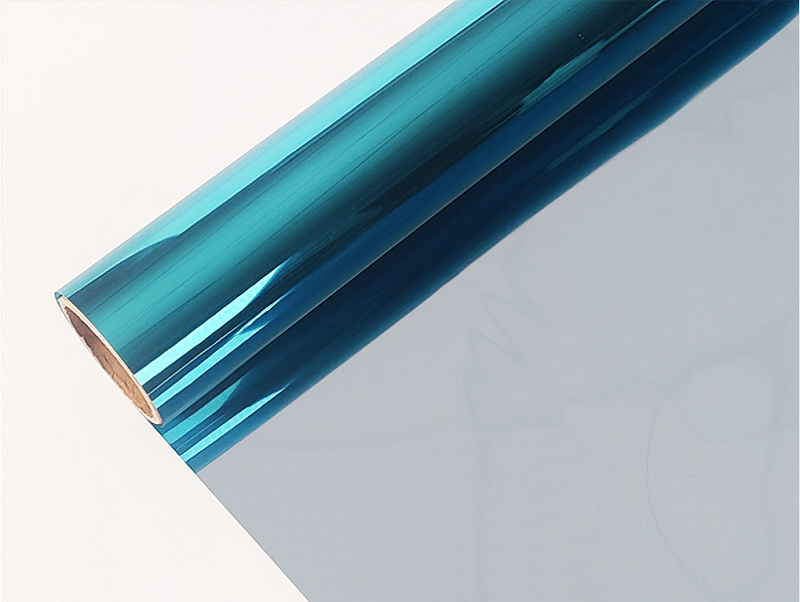
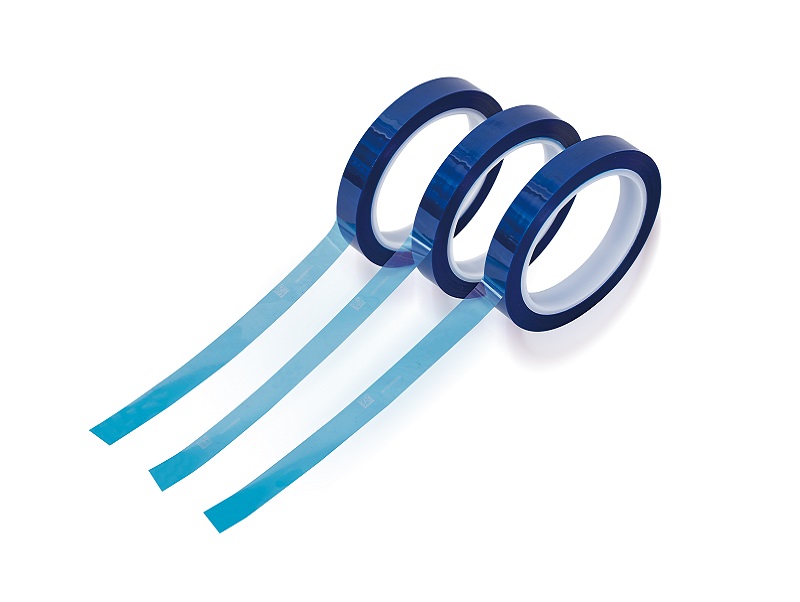
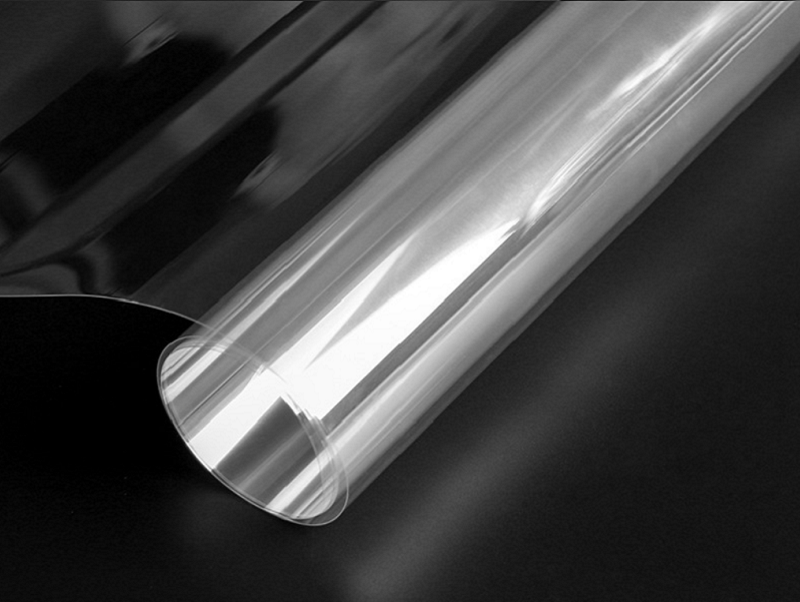
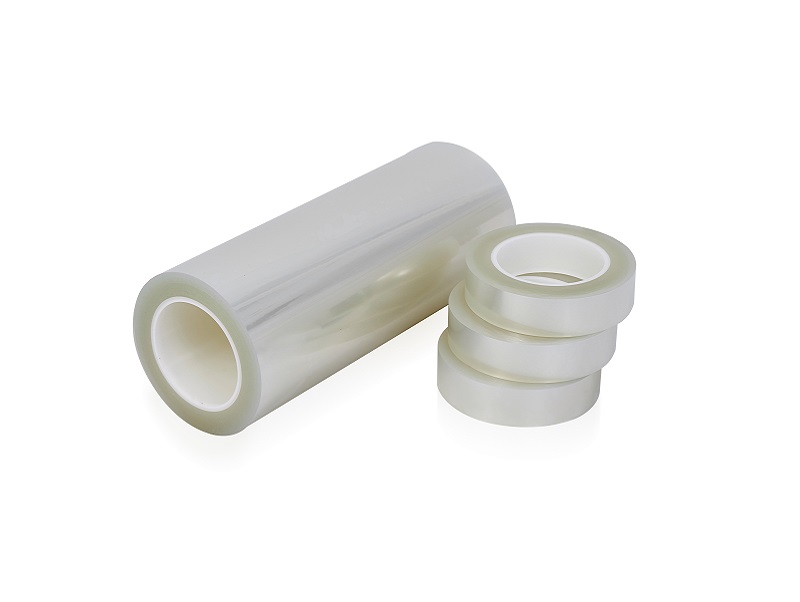
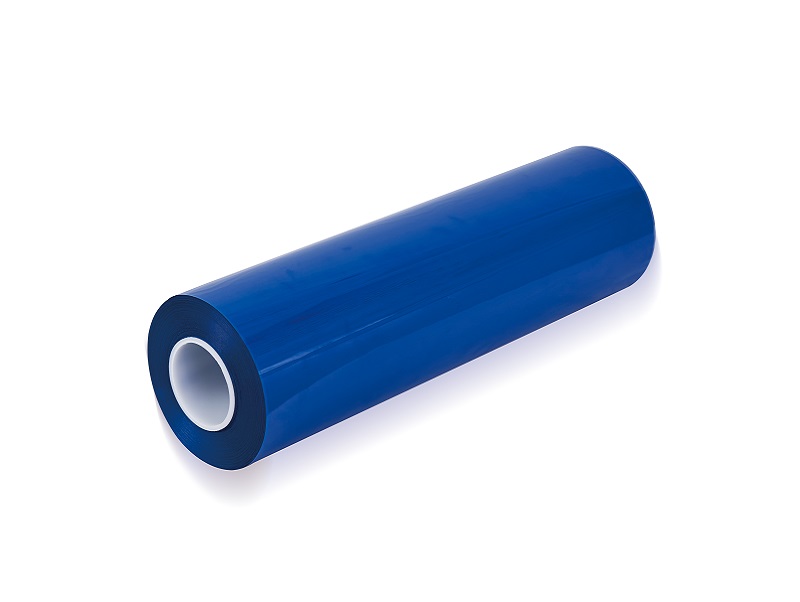
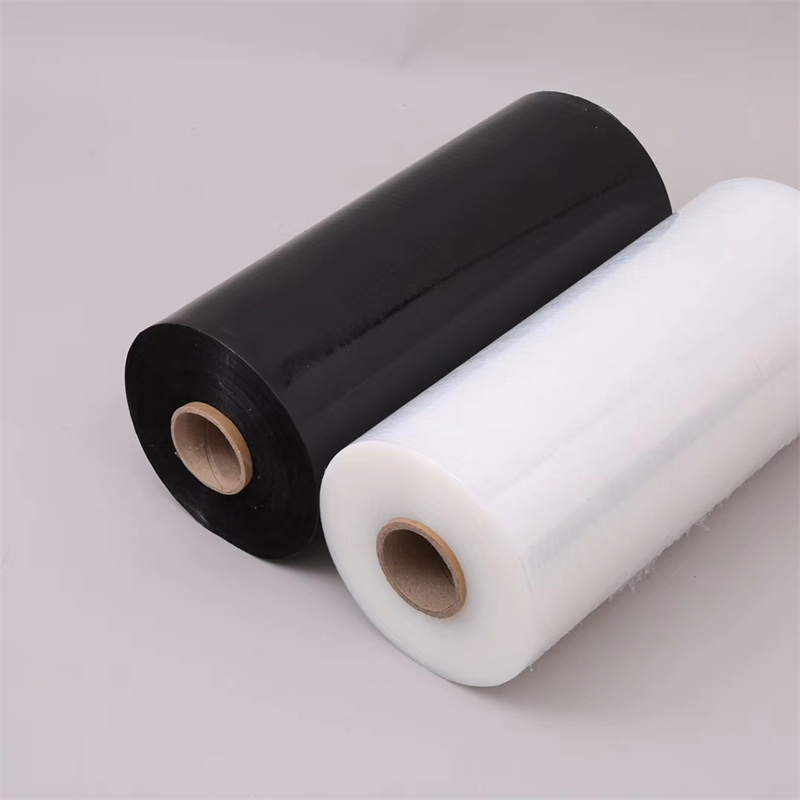
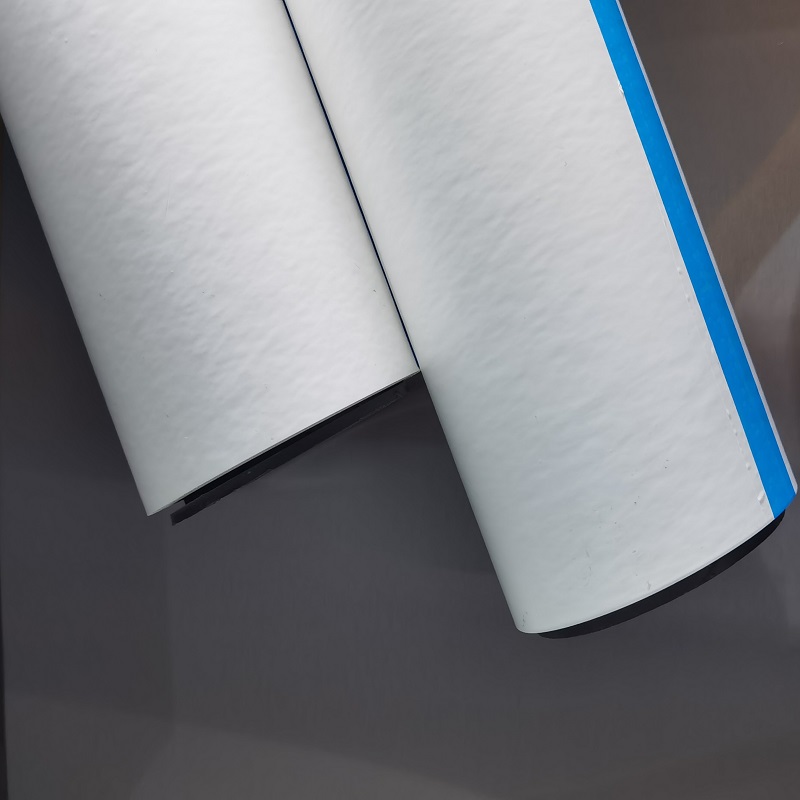
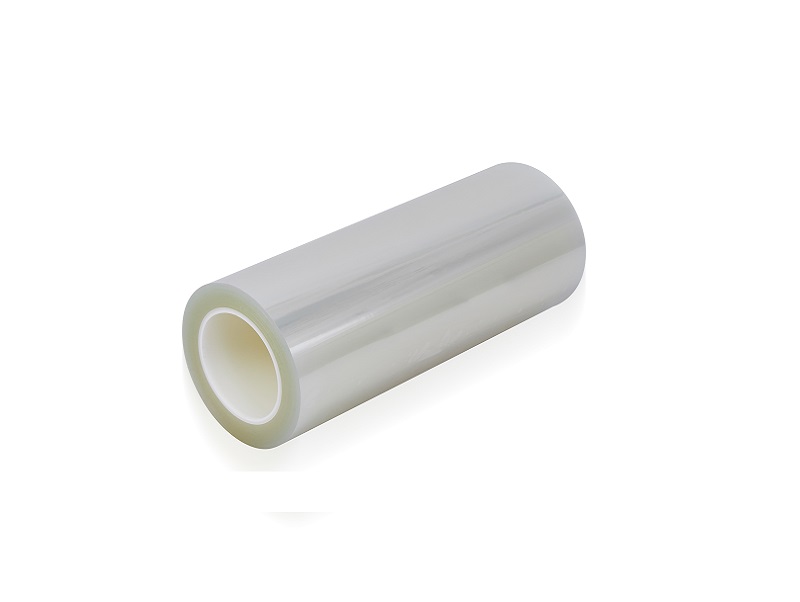
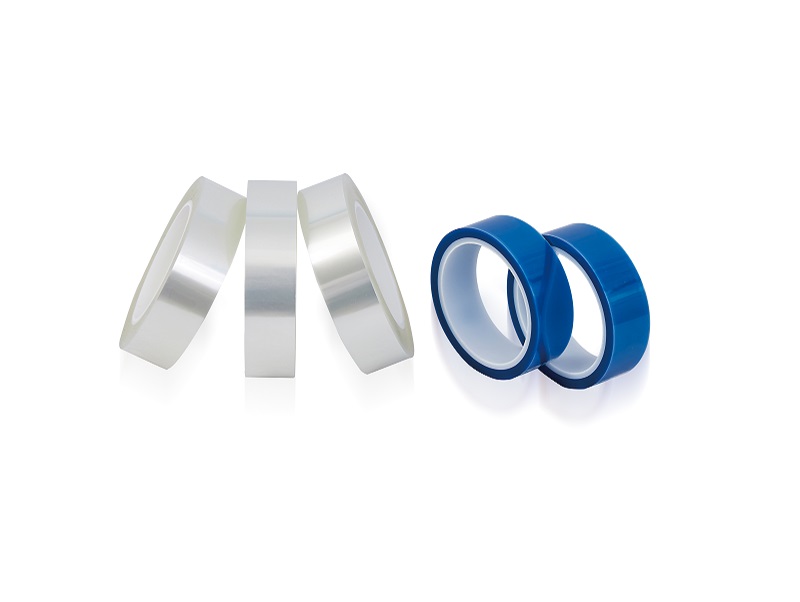
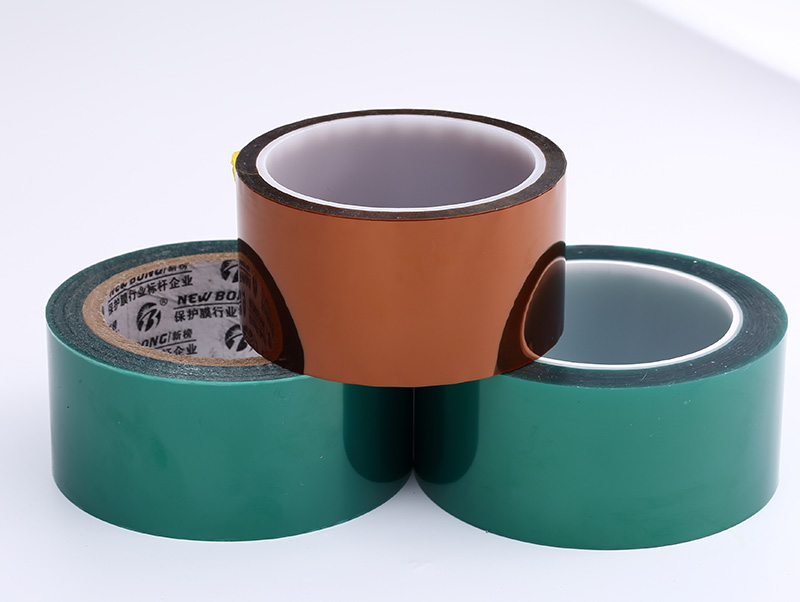
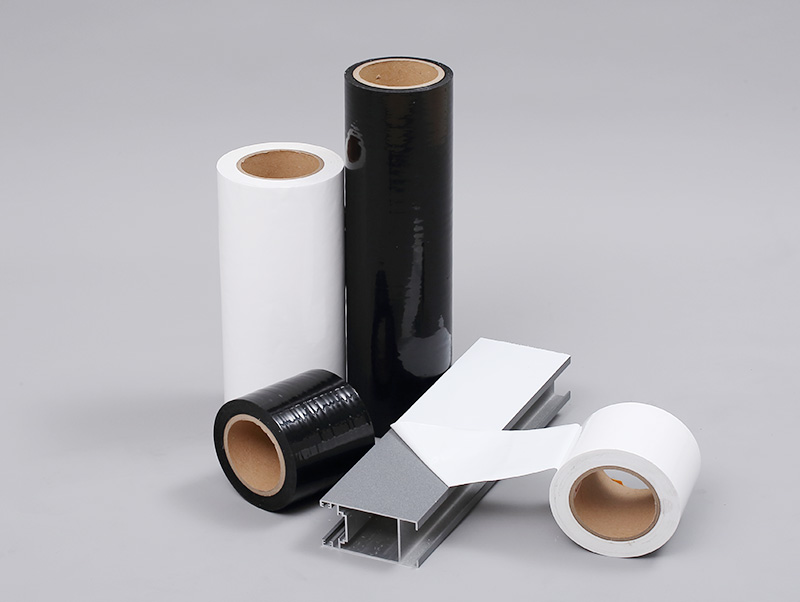
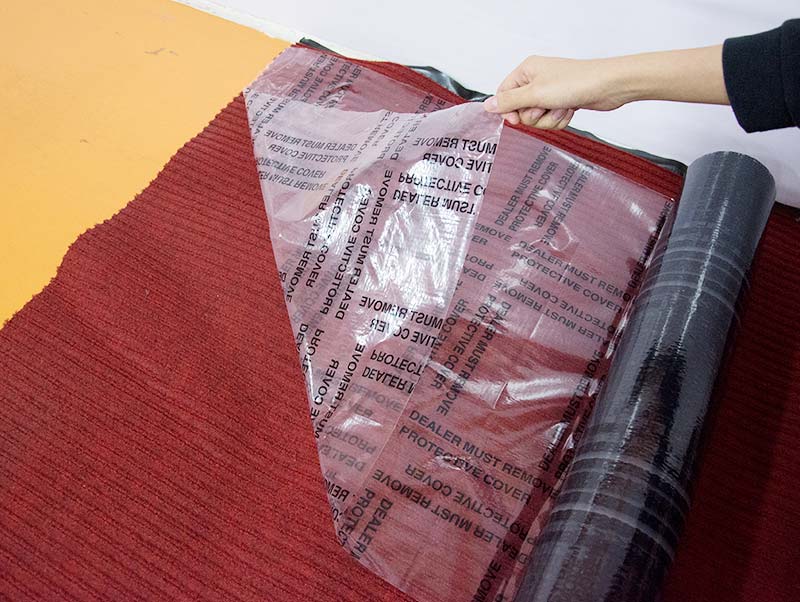
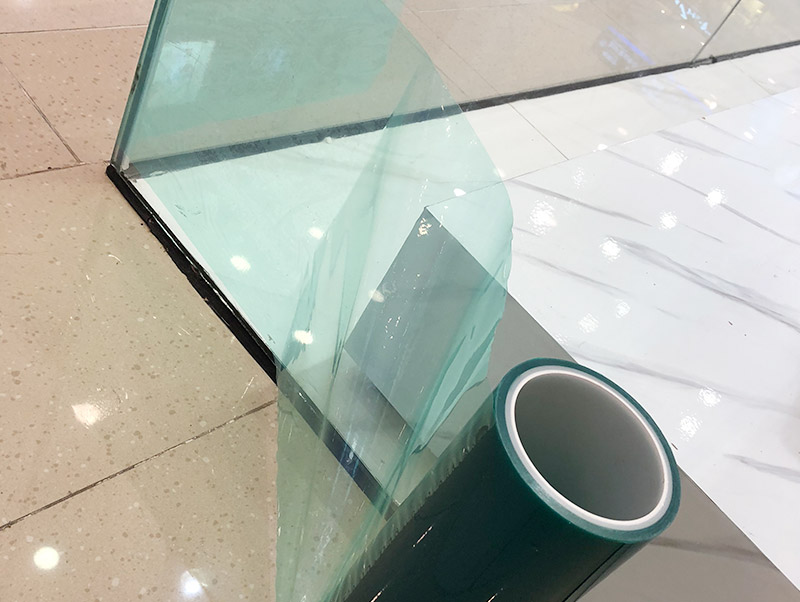
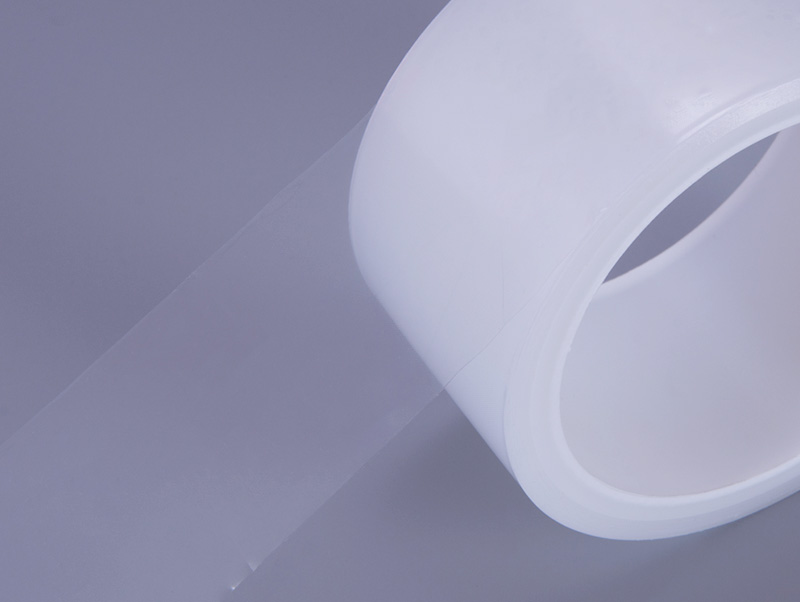
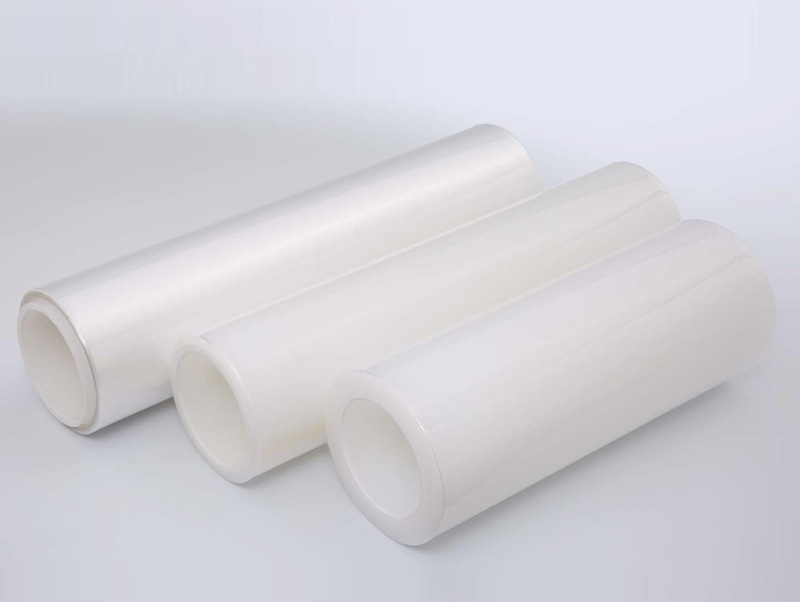
Protective film is a temporary covering often made from polyethylene or PVC that serves to safeguard products from scratches, dirt, and other forms of damage during transportation and handling. Commonly used in various industries, it is particularly valuable for sensitive surfaces like aluminum, ensuring they remain pristine.
Powder-coated aluminum involves the application of a dry powder that is then cured under heat to form a durable finish. This process not only enhances the aesthetic appeal but also provides a protective layer against corrosion and UV damage. Understanding the properties of this finish is crucial in evaluating the effects of protective film.
The impact of protective film on powder-coated aluminum can vary based on several factors. Below are key insights into how protective films can affect powder-coated surfaces.
Not all protective films have the same adhesive strength. Films with high adhesive properties may leave residue on the powder-coated surface upon removal.
The length of time the protective film is left on the surface can also play a vital role. Extended exposure may lead to difficulties in removal and potential damage.
Heat, humidity, and UV exposure can affect both the film and the powder coating, partly determining whether the film will damage the surface.
To better understand the likelihood of damage to powder-coated aluminum surfaces by protective film, we can examine a few critical factors:
| Factor | Influence on Damage Risk |
|---|---|
| Adhesive Strength | High adhesive strength can increase the risk of residue upon removal. |
| Film Type | Polyethylene films tend to be less damaging than PVC films. |
| Application Time | Longer durations elevate the risk of damage. |
| Surface Cleanliness | Contaminants can react with adhesives, causing damage. |
To minimize any potential damage when using protective film, following best practices is essential:
Select films specifically designed for use with powder-coated surfaces to minimize the risk of damage.
Ensure the surface is clean and free of contaminants before application to reduce the likelihood of adhesive damage.
Avoid leaving the film on the surface for extended periods; follow manufacturer recommendations.
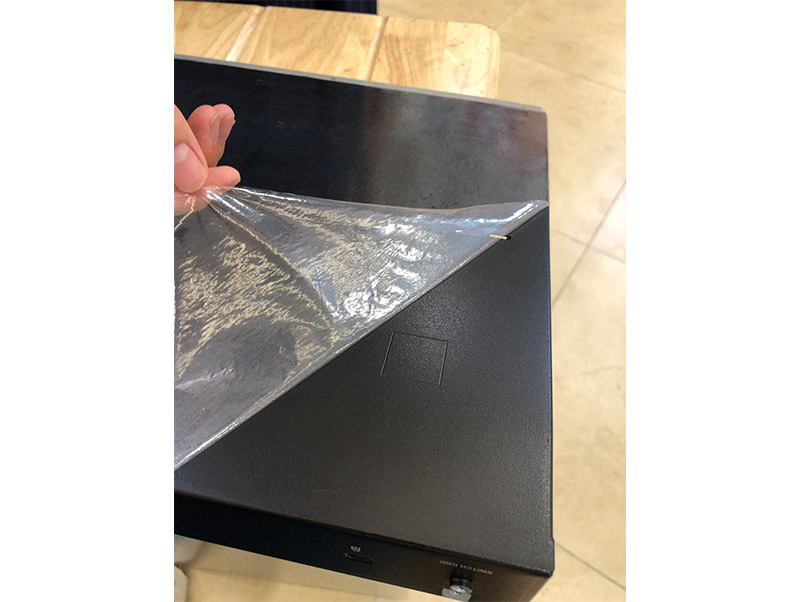
When removing the film, do so slowly and at a 45-degree angle to prevent any pulling of the powder coating.
In summary, protective films can potentially damage powder-coated aluminum if not used properly. By considering factors such as film type, application time, and proper removal techniques, users can significantly reduce the risk of damage. Understanding and implementing these best practices will ensure the integrity and appearance of powder-coated surfaces are maintained. For high-quality protective films tailored to your needs, trust NB Protective Film.
Previous: Common Problems with Aluminum Protective Film and How to Fix Them
Next: How Long Can Protective Film Stay on Aluminum Profiles Without Leaving Glue Marks?
Navigation
+86 158 1691 5404
+86 757 8271 3937
+86 757 8271 3937
No. 10 Industry Huacongsiyue Village, Shishan Town, Nanhai District, Foshan, Guangdong Province, China