NB
PROTECTIVE FILMS
NB
PROTECTIVE FILMS
Oct. 16, 2026
Heat resistance refers to the ability of a material to withstand high temperatures without deforming or losing its essential properties. This is crucial in various applications where significant thermal stress is involved.
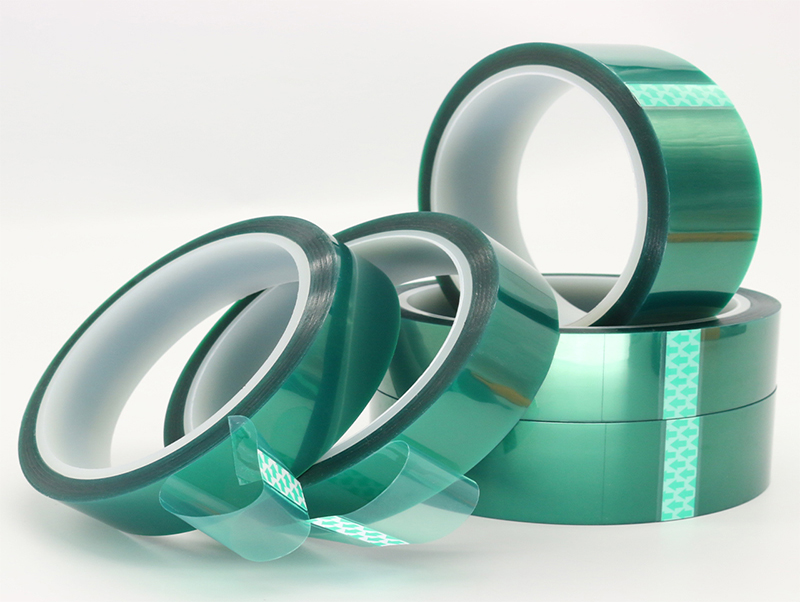
Choosing the correct film material for high-temperature applications can significantly impact performance. Both PET and Polyimide films offer unique benefits and drawbacks, making the right choice essential.
PET High Temperature Protective Films typically boast the following features:
Polyimide films are known for their superior properties:
In electrical applications, both films serve as effective insulators, but Polyimide offers superior performance in high-temperature conditions, maintaining its integrity longer than PET.
For battery applications, Polyimide films have shown longer lifespans and better thermal stability, which is critical for performance and safety in high-temperature environments.
When considering PET High Temperature Protective Films, the advantages include:
However, PET films come with limitations:
Polyimide films offer numerous advantages:
Notably, disadvantages include:
PET High Temperature Protective Films are suitable for:
Polyimide films are recommended for:
When it comes to heat resistance, both PET and Polyimide films have unique advantages and drawbacks. PET High Temperature Protective Films offer cost-effectiveness and flexibility, while Polyimide excels in high-heat, low-deformation scenarios. Evaluating your specific requirements and consulting with professionals can ensure the best choice for your application. For further assistance, visit NB's film solutions.
Previous: None
Next: Can PET Film Replace Polyimide Film in High Temperature Applications?
Navigation
+86 158 1691 5404
+86 757 8271 3937
+86 757 8271 3937
No. 10 Industry Huacongsiyue Village, Shishan Town, Nanhai District, Foshan, Guangdong Province, China