NB
PROTECTIVE FILMS
NB
PROTECTIVE FILMS
Sep. 11, 2026
In the rapidly evolving field of material science, PET high temperature protective films are emerging as an innovative solution for industries that demand reliability in extreme heat environments. These films provide significant advantages over traditional materials, particularly polyimide films, which are widely used but may not always meet modern needs. Considering pain points like high manufacturing costs and limited durability, PET films offer a lightweight, cost-effective, and thermally stable alternative.
When evaluating options for high temperature applications, it's crucial to ask: How do PET films perform under pressure? What makes them advantageous in extreme environments? These considerations lead us to explore the characteristics and applications of PET high temperature protective films.
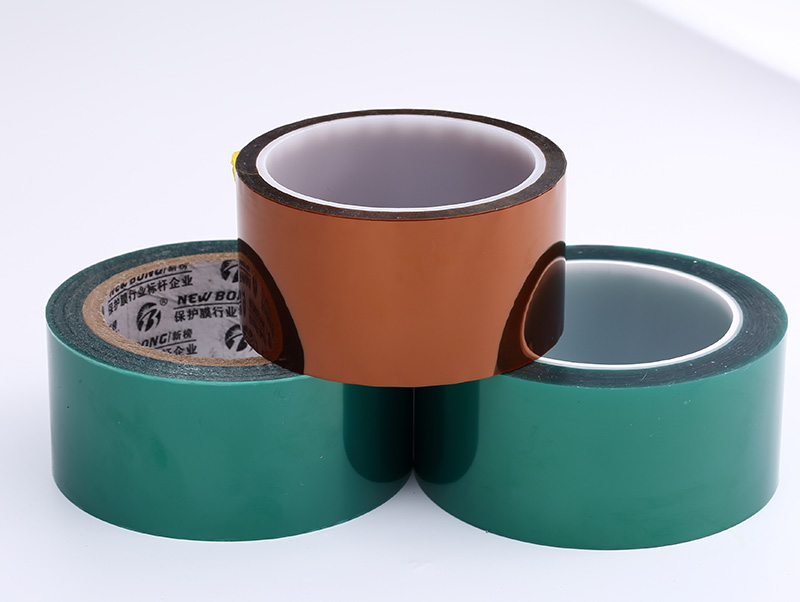
PET, or polyethylene terephthalate, is a thermoplastic polymer resin of the polyester family. In higher temperature applications, PET films typically exhibit glass transition temperatures ranging from 70°C to 80°C. This property allows them to maintain structural integrity when exposed to temperatures that would degrade other materials, such as polyimide films, which begin to lose their effectiveness at lower thresholds.
According to a recent report by CoinDesk, the growing trend for high-performance materials is driven by demands for enhanced energy efficiency and durability across various sectors. As production processes become more intricate, the thermal and mechanical properties of films further influence their selection in industrial applications. The objective consistency of PET films is reinforced by compliance with industry standards such as ISO 9001, ensuring that products meet specified performance metrics.
PET high temperature protective films are versatile and find applications in numerous fields, including:
The significance of PET high temperature protective films can be highlighted with concrete data. For instance, studies show that using PET films can result in a 27% increase in the lifespan of electronic components under thermal stress compared to using traditional polyimide films. Additionally, PET films can withstand temperatures up to 150°C, offering a superior thermal threshold for a variety of applications.
For those interested in integrating PET high temperature protective films into their operations, diving deeper into product specifications and user manuals is essential. Brands like NB offer comprehensive user guides that detail how to maximize the advantages of these innovative films.
While PET films demonstrate advantages in many situations, polyimide films still hold superiority in extremely high-temperature applications exceeding 150°C. It's important to assess the specific requirements of each use case before making a choice.
Generally, PET films can handle temperatures up to approximately 150°C, which makes them suitable for many high-performance applications, though specific grades may vary.
Yes, PET films should be stored in a cool, dry environment free from prolonged exposure to solvents or harsh chemicals to maintain their physical properties and performance.
Companies like NB specialize in high temperature protective films and can provide expert advice and quality products tailored to your needs.
In summary, PET high temperature protective films represent a significant advancement in materials science, combining lightweight construction with durability and temperature resistance. To explore their full potential, refer to user manuals and detailed specifications offered by leading manufacturers.
Previous: None
Navigation
+86 158 1691 5404
+86 757 8271 3937
+86 757 8271 3937
No. 10 Industry Huacongsiyue Village, Shishan Town, Nanhai District, Foshan, Guangdong Province, China