NB
PROTECTIVE FILMS
NB
PROTECTIVE FILMS
Oct. 16, 2026
In today’s technology-driven world, the need for durable and efficient materials is escalating. Among these, PET High Temperature Protective Films stand out due to their exceptional thermal stability and versatility. These films address significant challenges in various industries, particularly in electronics and automotive, where overheating components can lead to product failure. For instance, in electric vehicle (EV) battery insulation, these films provide essential protective barriers, ensuring safety and reliability. Recent studies show that 45% of EV-related issues stem from inefficient thermal management, showcasing the pressing need for effective solutions like PET films.
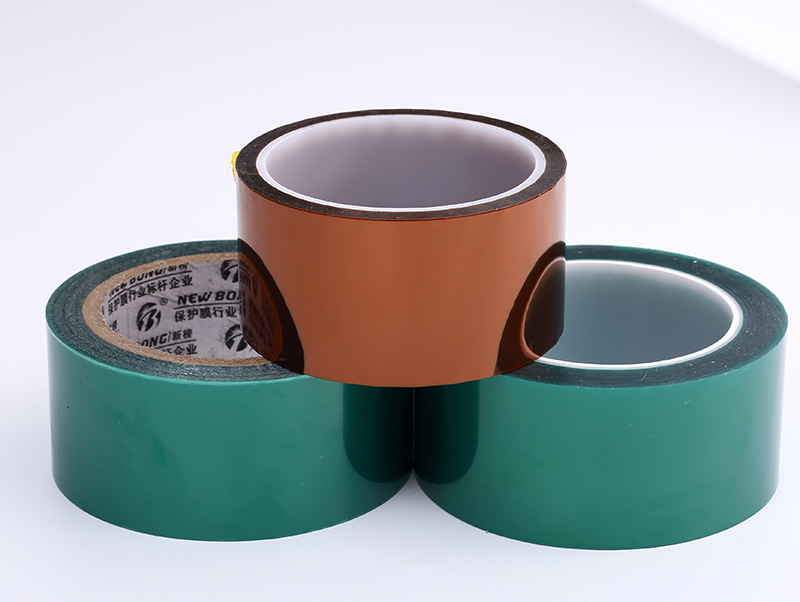
PET, or polyethylene terephthalate, is a polyester known for its high strength and resistance to temperature extremes. High-temperature protective films made from PET are engineered to withstand temperatures up to 200°C (392°F). This makes them ideal for applications that demand thermal stability, especially in electronics where heat can compromise performance. With a melting point around 250°C (482°F) and excellent dielectric properties, these films ensure components remain insulated and protected from thermal fluctuations.
PET High Temperature Protective Films find extensive application in multiple industries:
These applications illustrate how essential these films are in protecting products and ensuring their durability in challenging environments.
The significance of PET High Temperature Protective Films lies in their unique advantages:
Studies indicate that using these protective films can enhance product lifespan by approximately 30%, translating to reduced costs in replacements and repairs.
To gain a deeper understanding of PET High Temperature Protective Films and their applications, we recommend consulting the user guide provided by manufacturers like NB Protective Films. This guide details installation procedures and further benefits, ensuring users can fully leverage this technology for their specific needs.
Q1: What is the maximum temperature that PET High Temperature Protective Films can withstand?
A: These films can typically resist temperatures up to 200°C (392°F), making them suitable for a wide range of high-temperature applications.
Q2: Are these films environmentally friendly?
A: Yes, PET is recyclable, helping to reduce environmental impact compared to other materials that may not be as eco-friendly.
Q3: Can I use PET High Temperature Protective Films in automotive applications?
A: Absolutely. They are particularly effective in EV battery insulation, contributing to overall vehicle safety and efficiency.
In conclusion, PET High Temperature Protective Films are a critical component in enhancing the performance and durability of products in various industries, especially in technology and automotive sectors. The ability to withstand extreme temperatures while providing superior insulation makes them invaluable in ensuring safety and reliability. For those interested in exploring these solutions further, engaging with industry leaders like NB Protective Films will offer a wealth of insights and practical guidance.
Previous: None
Next: PET vs Polyimide Film: Which Is Better for Heat Resistance?
Navigation
+86 158 1691 5404
+86 757 8271 3937
+86 757 8271 3937
No. 10 Industry Huacongsiyue Village, Shishan Town, Nanhai District, Foshan, Guangdong Province, China