NB
PROTECTIVE FILMS
NB
PROTECTIVE FILMS
Oct. 23, 2026
In the world of electronics, the demand for durable and efficient materials is more crucial than ever. High temperature protective films, particularly PET (Polyethylene Terephthalate) films, have emerged as significant solutions for PCB (Printed Circuit Board) processing. These films help in safeguarding sensitive components during manufacturing processes, a necessity for industries ranging from automotive to consumer electronics. With a focus on thermal resistance, chemical stability, and adhesive properties, PET high temperature protective films not only enhance product longevity but also improve efficiency.
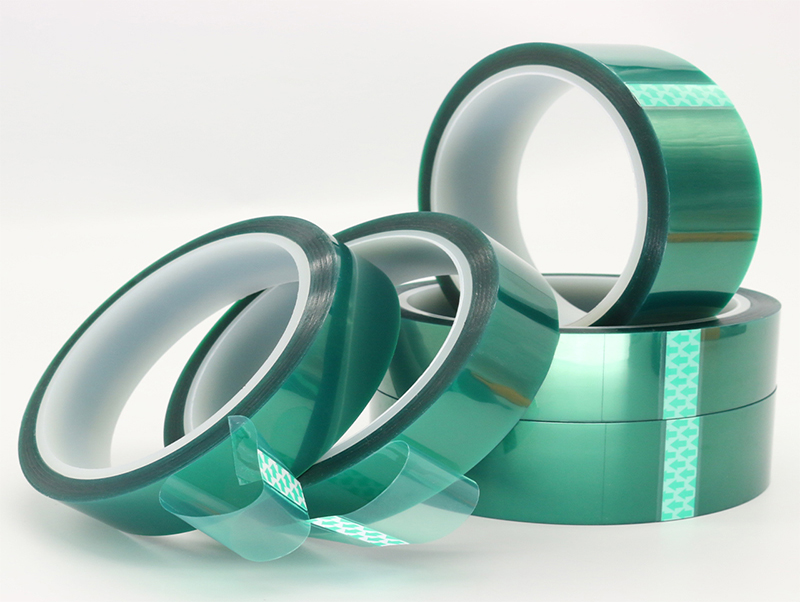
The significance of PET films in preventing defects during the critical levels of heat exposure experienced in PCB processing cannot be overstated. For manufacturers, implementing these solutions can mean the difference between product failure and success. In fact, studies indicate that companies utilizing advanced protective films can reduce production downtime by an impressive 25%, showcasing the tangible benefits of these materials.
PET high temperature protective films are specialized materials designed to withstand elevated temperatures commonly encountered in PCB manufacturing processes. These films offer features such as:
When discussing PET films, specific industry terms often arise, such as “thermal cycling,” which refers to the repeated heating and cooling cycles that electronic components endure. Understanding these terms helps to clarify the importance of protective films in safeguarding circuit integrity and enhancing thermal management during operation.
PET films are extensively used in various fields, including:
By utilizing PET high temperature protective films, manufacturers ensure that their products can withstand harsher environments, ultimately leading to better reliability and performance.
The use of PET high temperature protective films is crucial for several reasons:
These advantages underscore why PET high temperature protective films have become a staple in PCB processing, making them indispensable for quality-driven manufacturers.
To further understand how PET high temperature protective films can benefit your manufacturing processes, consider reviewing user guides available from reputable suppliers like NB. These resources provide deeper insights into choosing the right protective solution tailored to your specific application needs.
Q: How do I determine the right PET film for my application?
A: Assess your PCB processes to understand the temperature and chemical exposure levels. Consult with suppliers like NB for tailored recommendations.
Q: Can PET high temperature protective films be recycled?
A: While PET is recyclable, consult local recycling guidelines as practices can vary by region.
Q: What kind of adhesive is used in PET films?
A: PET films come with various adhesive options. It's essential to choose one that suits your processing temperatures and substrates.
In conclusion, the advancements in PET high temperature protective films mark a significant evolution in PCB processing. By leveraging these innovative materials, manufacturers can ensure higher quality, increased efficiency, and enhanced reliability of their products. Explore further with next-step guides and industry resources to stay ahead in this competitive field.
Previous: None
Navigation
+86 158 1691 5404
+86 757 8271 3937
+86 757 8271 3937
No. 10 Industry Huacongsiyue Village, Shishan Town, Nanhai District, Foshan, Guangdong Province, China