NB
PROTECTIVE FILMS
NB
PROTECTIVE FILMS
Aug. 31, 2026
In the fast-evolving world of lithium battery manufacturing, the emergence of PET High Temperature Protective Films marks a pivotal innovation. As industries demand higher efficiency, durability, and safety in their products, the use of these specialized films addresses critical pain points like thermal stability and chemical resistance. With the growing reliance on lithium batteries across various sectors—including electric vehicles, consumer electronics, and renewable energy systems—understanding the significance of PET high temperature protective films is becoming increasingly essential. Not only do they enhance manufacturing processes, but they also minimize the risk of battery failures due to temperature fluctuations and physical damage.
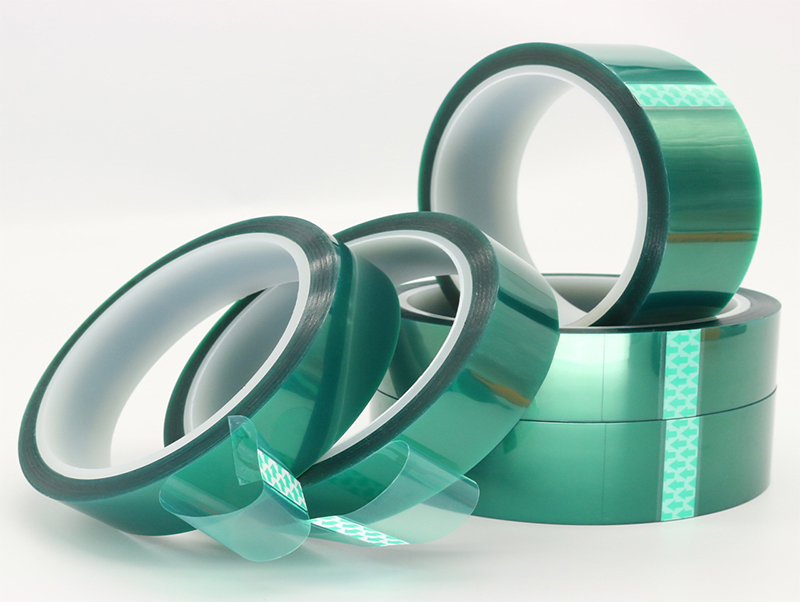
PET, or polyethylene terephthalate, is a thermoplastic polymer that exhibits exceptional thermal and chemical resistance, making it ideal for high-stress applications. High temperature protective films are specifically designed to endure temperatures exceeding 150°C (302°F), which is critical in lithium battery production where components are subjected to intense heat during processes like welding and curing. According to recent studies published in industry journals, PET films can maintain their structural integrity under extreme thermal conditions, thereby ensuring the safety and reliability of lithium batteries.
PET High Temperature Protective Films are utilized across various fields:
The importance of PET High Temperature Protective Films cannot be overstated. Here are the key benefits:
For manufacturers considering the integration of PET High Temperature Protective Films into their processes, the next step is to consult the user guides available from top providers like NB Protective Film. These guides offer detailed insights into installation, maintenance, and optimization of usage, ensuring that manufacturers fully capitalize on the benefits these films offer.
Q: What are the key properties of PET High Temperature Protective Films?
A: They are characterized by high thermal stability, robustness under mechanical stress, and superior chemical resistance. They are specifically designed to endure temperatures above 150°C.
Q: How do these films protect lithium batteries?
A: The films act as a protective layer, preventing heat-induced degradation and offering resistance to chemical reactions during the manufacturing process.
Q: Where can I learn more about PET High Temperature Protective Films?
A: You can explore guides and technical documents published by brands like NB, which comprehensively cover the specifications and applications of these films.
For those seeking an in-depth understanding or trial of PET High Temperature Protective Films, NB offers a range of resources to support your exploration into optimizing your lithium battery manufacturing processes.
Previous: None
Navigation
+86 158 1691 5404
+86 757 8271 3937
+86 757 8271 3937
No. 10 Industry Huacongsiyue Village, Shishan Town, Nanhai District, Foshan, Guangdong Province, China