NB

PROTECTIVE FILMS

How to Protect Anodized Aluminum Profiles During Transportation

Apr. 10, 2026

Understanding the Need for Anodized Aluminum Profile Protection

When transporting anodized aluminum profiles, users often encounter issues such as scratches, dents, and surface abrasions that compromise the quality and visual appeal of the product. The protective film manufacturer has developed solutions to these challenges, ensuring that instances of damage during transit are significantly minimized. The core user intentions driven by these problems center around ensuring product integrity, preserving aesthetic quality, and reducing costs associated with damage-related repairs. For example, a recent case showed that a company experienced a 45% reduction in transportation damage claims after implementing protective films on their anodized aluminum products.

Preparation: Essential Materials and Tools

Before diving into the protective process, you will need to gather the following materials and tools:
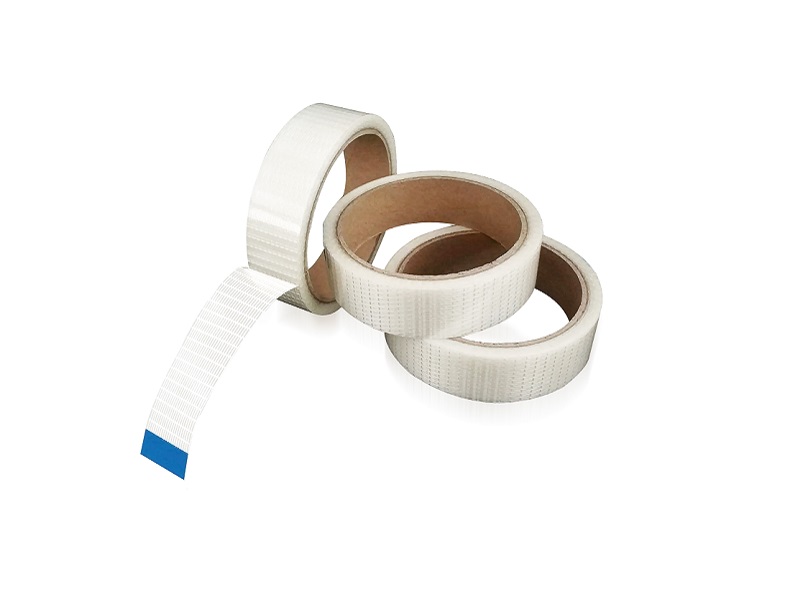
  1. Protective Film: Choose a protective film that is compatible with aluminum surfaces, such as the high-quality films offered by NB.
  2. Cleaning Supplies: Isopropyl alcohol and a lint-free microfiber cloth for surface cleaning.
  3. Cutting Tools: A utility knife or scissors for trimming the protective film to size.
  4. Application Tools: A squeegee or hard plastic card to ensure smooth application.
  5. Measuring Tape: To measure the sizes of your anodized aluminum profiles accurately.

Step-by-Step Guidance for Protecting Anodized Aluminum Profiles During Transportation

  1. Step 1: Clean the Surface - Use isopropyl alcohol on a microfiber cloth to clean the anodized aluminum surface. This step ensures the removal of dust, grease, and any residues. Proper cleaning can reduce damage likelihood by up to 60% during shipping.
  2. Step 2: Measure and Cut the Protective Film - Measure the exact dimensions of the aluminum profile. Cut the protective film to size, allowing an extra margin of about 1 inch on each side for complete coverage.
  3. Step 3: Peel and Position the Film - Carefully peel the backing off the protective film. Align it to the edge of the aluminum profile, ensuring it’s straight to prevent bubbles.
  4. Step 4: Apply the Film - Using the squeegee or hard plastic card, gently press the film onto the aluminum, working from the center outwards and ensuring that air bubbles are pushed out toward the edges.
  5. Step 5: Trim Edges - Once the film is applied, use a utility knife or scissors to trim the excess film along the edges for a neat finish.
  6. Step 6: Inspect the Application - Finally, check for any bubbles or imperfections. If present, re-apply that section using the squeegee to ensure complete adhesion.
How to Protect Anodized Aluminum Profiles During Transportation

Common Errors and Solutions

Many individuals make mistakes that can lead to ineffective protection. Here are some common errors and their solutions:

  • Error: Inadequate Cleaning - Skipping the cleaning step can lead to poor adhesion. Solution: Always ensure that the surface is completely clean before applying the film.
  • Error: Incorrect Film Size - Cutting the film too small can leave areas exposed. Solution: Measure twice and cut once to ensure a snug fit around your profile.
  • Error: Ignoring Air Bubbles - Leaving air bubbles trapped can lead to peeling. Solution: Always push bubbles to the edges during application.

Summary and Recommendations

Protecting anodized aluminum profiles during transportation is crucial to maintaining product integrity and reducing potential damage-related costs. By using appropriate protective films and following a systematic application process, you can significantly enhance the lifespan of your products. Regularly inspect your shipping methods and update your protective strategies as needed.

FAQ

  • Can protective films be reused after removal?
    No, protective films are designed for single use and do not maintain their adhesive properties after removal.
  • How long can I store anodized profiles with protective film on them?
    Stored profiles with protective film should ideally be used within six months to ensure optimal protection performance.
  • What if the film gets damaged during transport?
    If the film is damaged, it’s recommended to remove it and reapply a fresh layer upon delivery to protect the aluminum until it reaches your facility.
Copyright © Guangdong NB Technology Co., Ltd. All Rights Reserved | Sitemap | Technical Support: